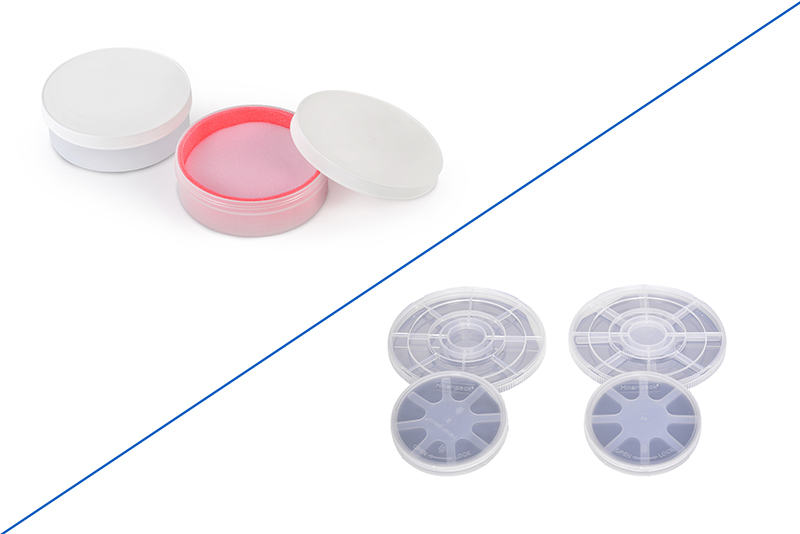
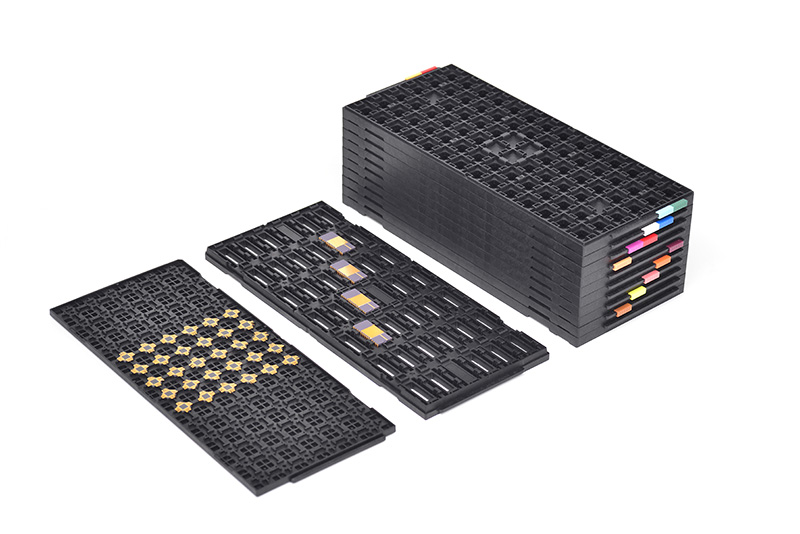
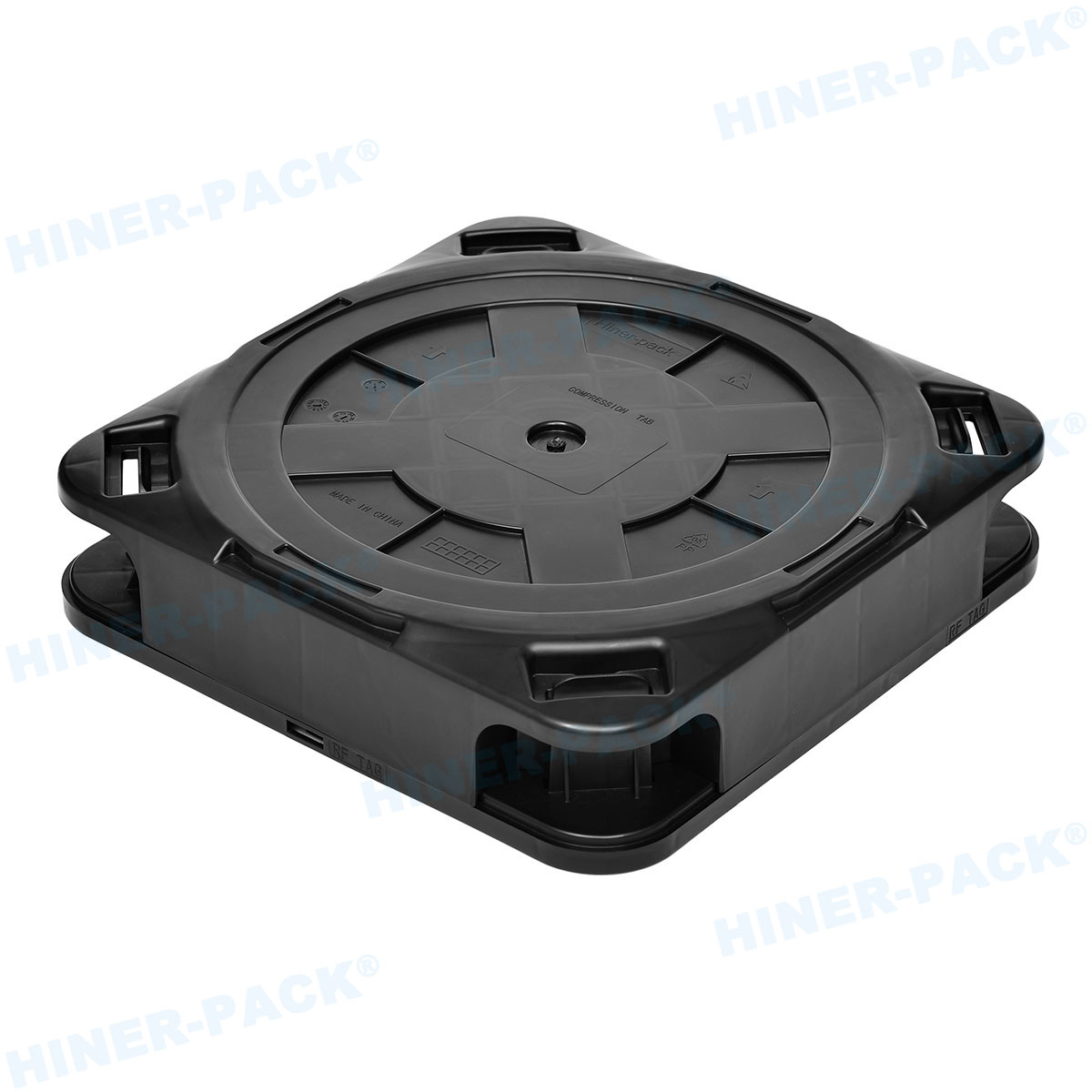
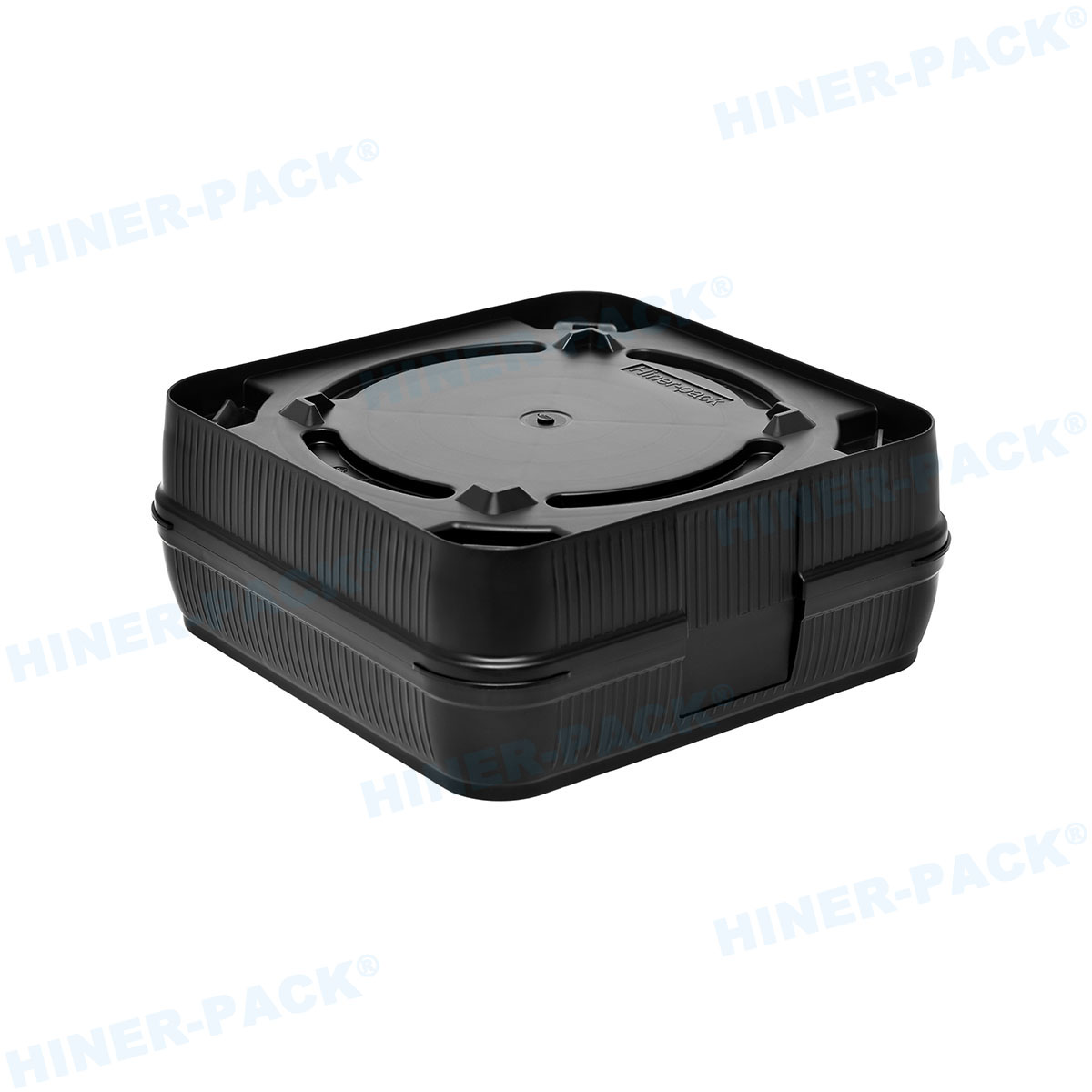
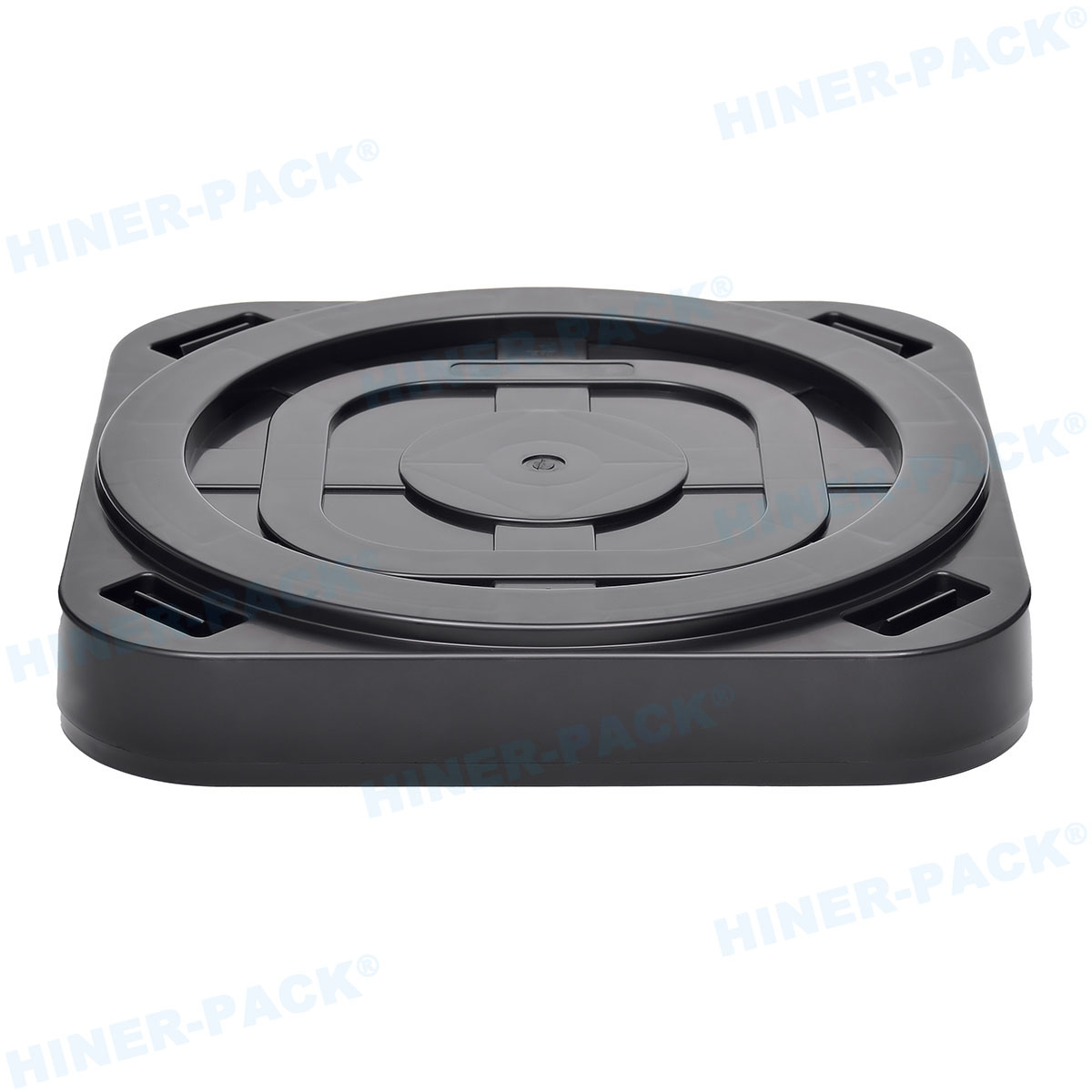
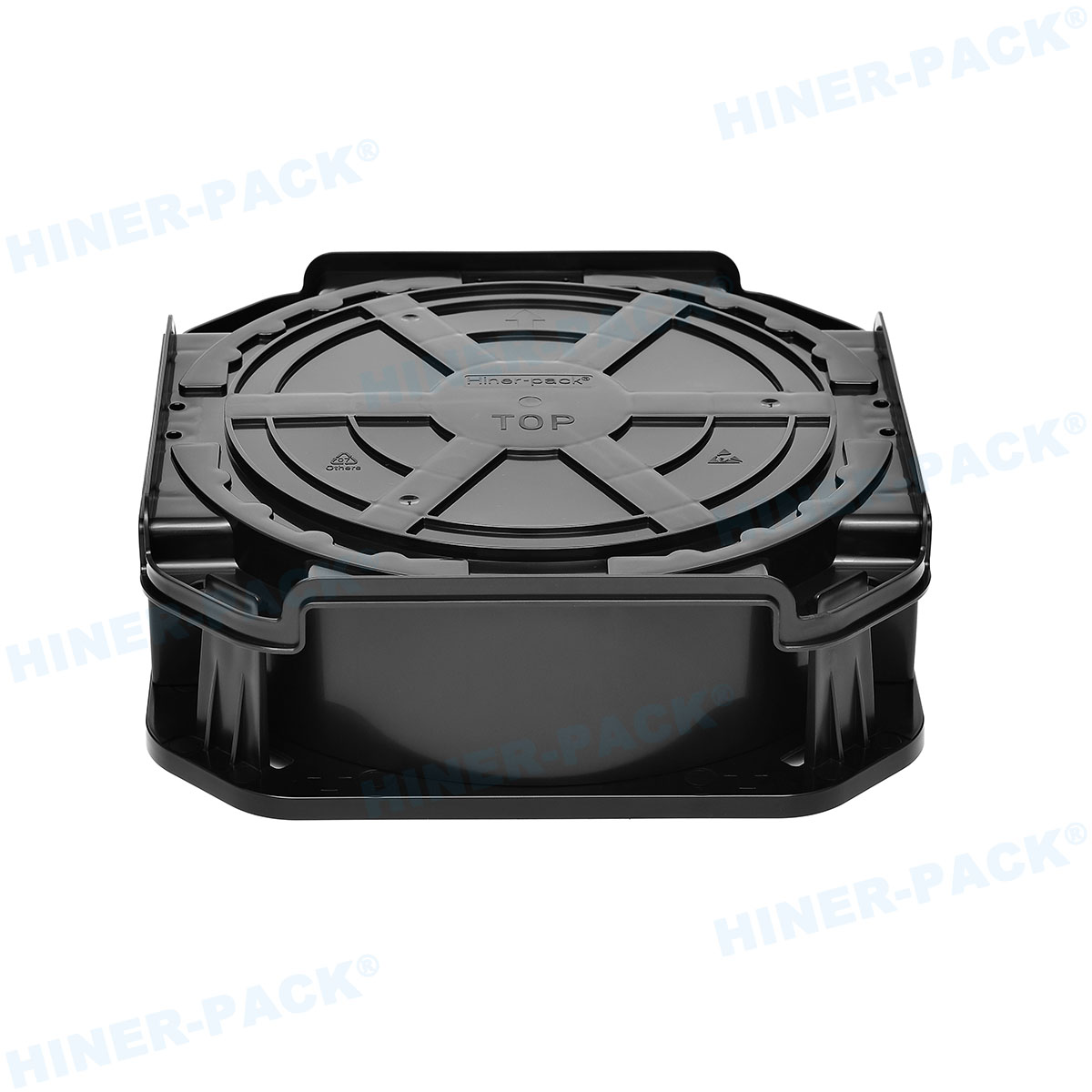
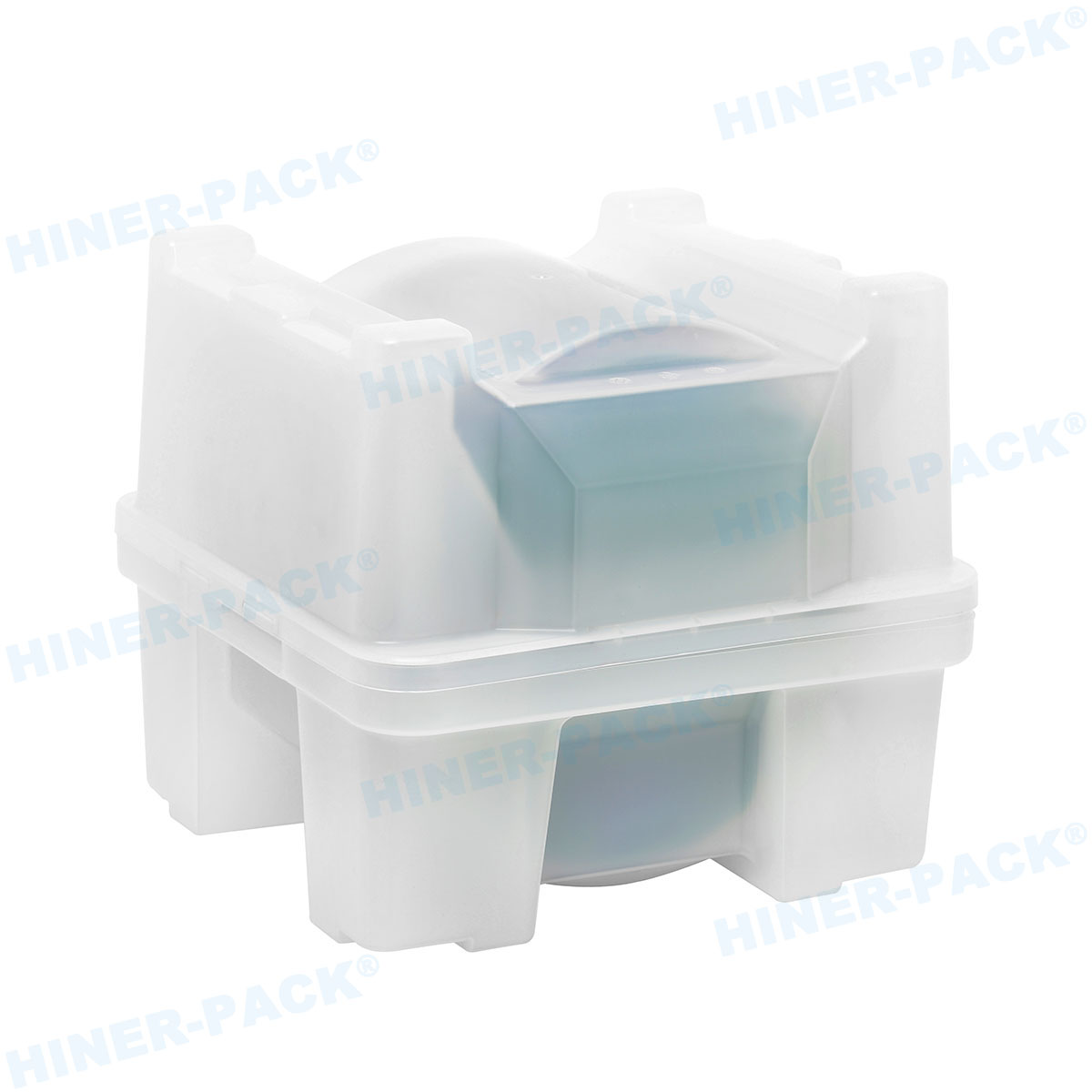
For semiconductor fabrication and assembly facilities, the selection of a wafer canister supplier directly influences process stability, particle control, and overall device yield. Wafer canisters—also referred to as wafer shipping boxes, FOUP (front opening unified pods) alternatives, or wafer storage containers—serve as the primary environment for wafer transfer between process steps, testing, and final packaging. This analysis provides a structured framework for evaluating suppliers, covering material science, cleanliness protocols, mechanical design, and logistics integration.
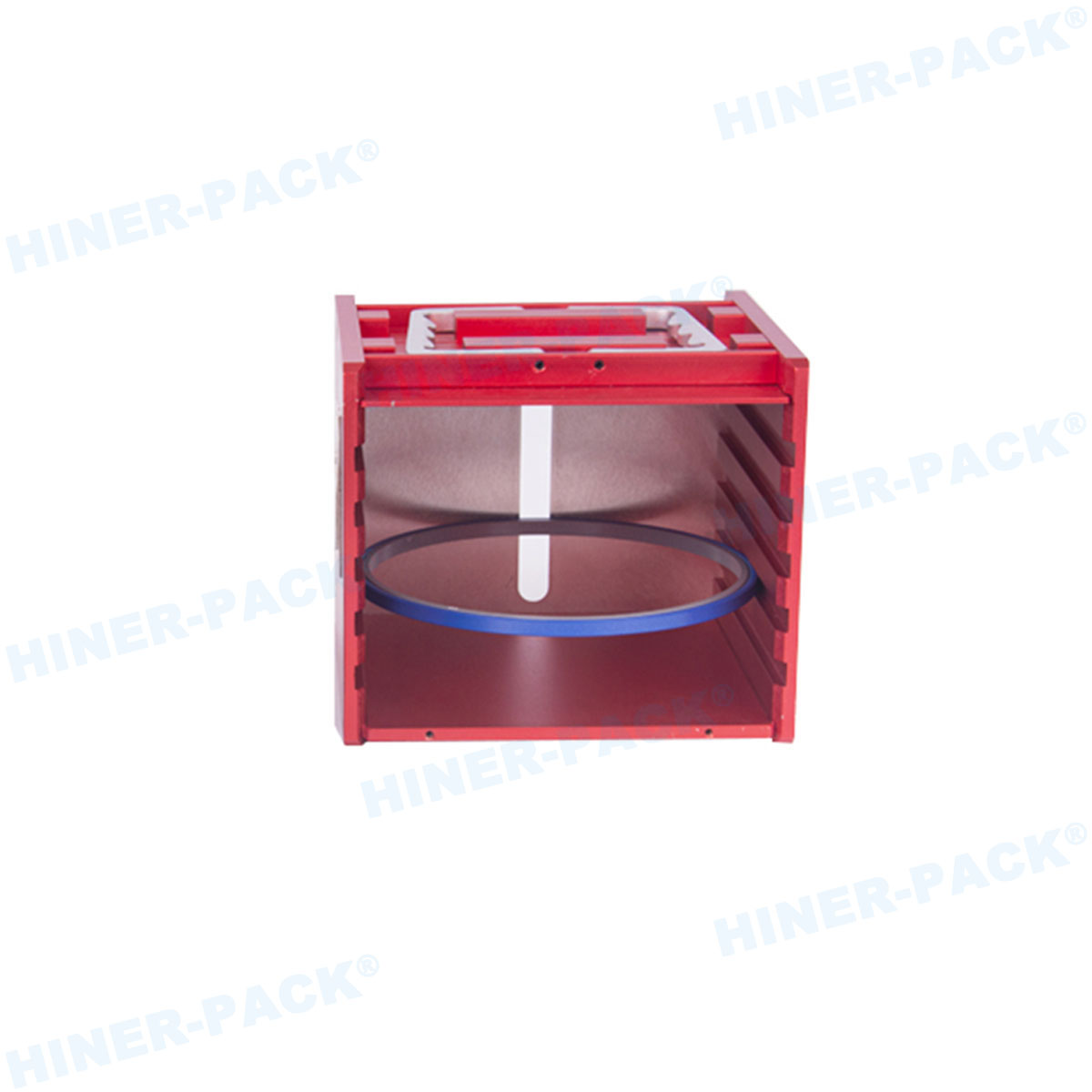
Core Specifications That Define a Wafer Canister Supplier's Capability
The technical performance of wafer canisters rests on several interrelated parameters. A competent wafer canister supplier must demonstrate mastery across these dimensions to meet the stringent requirements of modern semiconductor manufacturing.
Material Selection and Outgassing Control
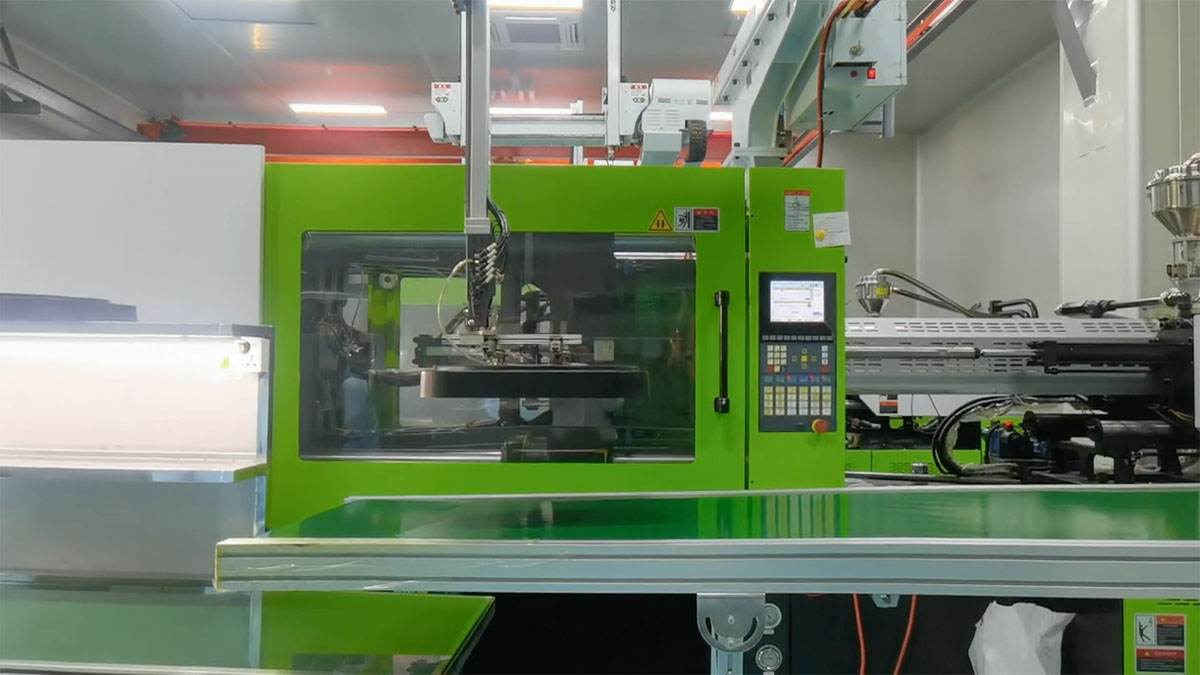
Wafer canisters are predominantly manufactured from engineering thermoplastics such as polycarbonate, polyetheretherketone (PEEK), or static-dissipative polymers. The choice of base resin and additive package determines critical properties including surface resistivity, mechanical strength, and thermal stability. Outgassing—the release of volatile organic compounds from polymer matrices—poses a significant contamination risk. High-purity grades with low outgassing characteristics are mandatory for advanced nodes (7nm and below). Suppliers that provide material certification data, including ion chromatography and gas chromatography-mass spectrometry results, enable fabs to verify compliance with cleanroom standards.
Beyond the base polymer, the surface finish of the canister interior requires careful attention. Smooth, non-porous surfaces reduce particle adhesion and facilitate cleaning cycles. Some suppliers offer specialized coatings or fluoropolymer liners that further minimize friction and electrostatic discharge (ESD) events during wafer insertion and extraction. When evaluating proposals, request detailed material datasheets that specify melt flow index, flexural modulus, and surface resistivity values measured under controlled conditions.
Cleanliness and Particle Performance
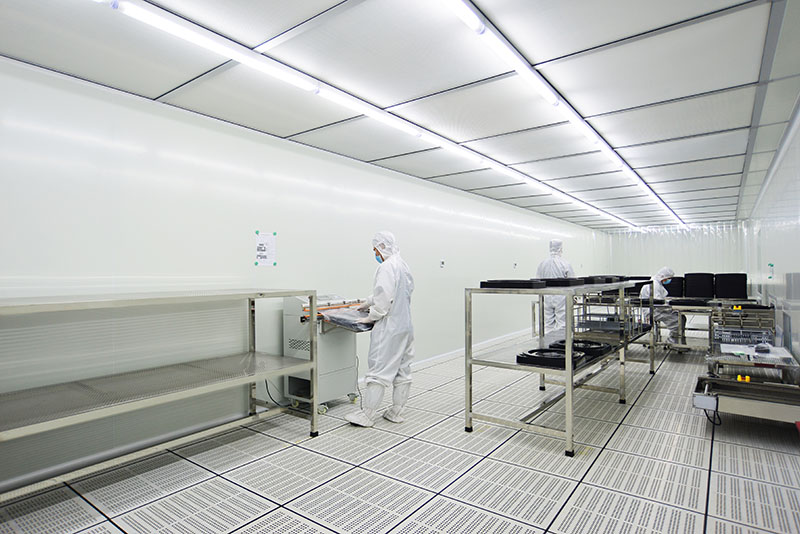
Particle contamination remains one of the foremost yield detractors in semiconductor processing. A wafer canister must maintain internal cleanliness levels consistent with ISO Class 4 or better environments. This requires not only pristine molding and assembly processes but also effective post-molding cleaning procedures. Ultrasonic cleaning, deionized water rinsing, and nitrogen purging are common steps in the manufacturing workflow of reputable suppliers.
Qualification data should include particle shedding tests performed under dynamic conditions—simulating the vibration and airflow experienced during automated handling. Suppliers that conduct liquid particle counting (LPC) and airborne particle counting (APC) on finished products provide verifiable evidence of their cleanliness capabilities. Long-term storage tests, where canisters are aged under accelerated conditions and then re-tested for particle generation, offer additional assurance for high-reliability applications.
Mechanical Design and Wafer Protection
The mechanical architecture of a wafer canister determines its effectiveness in protecting wafers from physical damage during transport and storage. Key design features include:
Support structures that distribute wafer weight evenly, preventing bowing or edge chipping.
Retention mechanisms that secure wafers without exerting excessive clamping force.
Interlocking ribs or spacers that maintain minimum wafer-to-wafer gaps, reducing contact risk.
Alignment features that enable precise docking with handling equipment (robotic arms, AGVs).
Dimensional accuracy is equally important—canisters that deviate from SEMI standard dimensions (e.g., SEMI E47 for 300mm FOUPs) can cause misalignment in automated load ports. A reliable wafer canister supplier provides detailed engineering drawings with tolerances and performs CMM (coordinate measuring machine) inspections on every production batch.
Operational Considerations in Supplier Selection
Beyond the product specifications, the operational capabilities of the supplier affect day-to-day production efficiency. The following areas deserve thorough evaluation during the vendor qualification process.
Supply Chain Reliability and Lead Times
Semiconductor fabs operate on tight production schedules, and any disruption in canister availability can halt processing lines. Assess the supplier's manufacturing capacity, raw material sourcing, and inventory management practices. Suppliers with multiple production sites or safety stock agreements offer greater resilience against supply shocks. Request historical data on on-time delivery performance and average lead times for both standard and custom configurations.
Traceability and Batch Control
Each wafer canister should carry unique identification markings (e.g., barcode, RFID) that enable full traceability from raw material receipt to final shipment. This traceability supports root-cause analysis in case of contamination events or quality deviations. Suppliers that implement statistical process control (SPC) across their molding and cleaning operations can provide batch-level trend reports, helping fabs monitor supplier performance over time.
Logistics and Packaging for Inbound Shipments
The condition of canisters upon arrival at the fab depends heavily on the supplier's packaging and shipping protocols. Double-bagging with nitrogen backfill, desiccant packs, and shock-absorbent outer containers are standard practices for maintaining cleanliness during transit. Verify that the supplier's packaging meets your incoming inspection criteria and that they provide certification of cleanliness upon request.
Application-Specific Requirements for Different Wafer Sizes and Processes
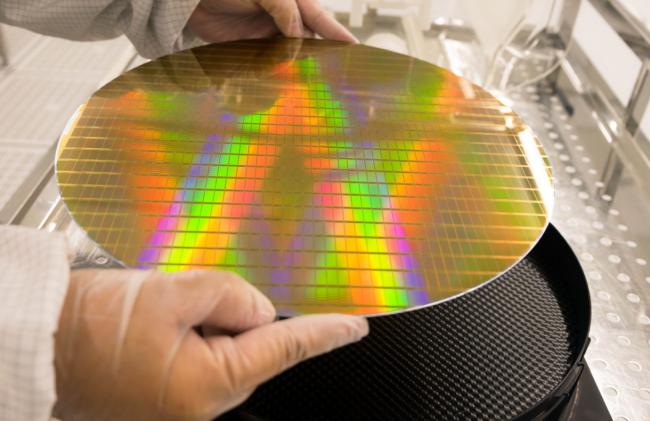
Wafer canister specifications vary according to the diameter, thickness, and processing history of the wafers being handled. 300mm wafers, with their larger area and thinner profile, demand more robust support structures and careful handling to prevent breakage. 200mm wafers, while more rigid, still require clean environments to avoid defects. Additionally, wafers that have undergone back-grinding or dicing require canisters with modified interior geometries to accommodate reduced thickness or singulated die.
Some processes, such as copper pillar bumping or fan-out wafer-level packaging (FOWLP), involve elevated temperature steps that may require canisters with higher heat deflection temperatures. Suppliers that offer material formulations optimized for these conditions demonstrate a deep understanding of the semiconductor packaging ecosystem. Hiner-pack provides product families tailored to specific wafer diameters and process stages, ensuring that each canister design aligns with the mechanical and thermal demands of the application.
Quality Management Systems and Certification
An experienced wafer canister supplier operates under established quality management frameworks. ISO 9001 certification is a baseline requirement, but semiconductor-specific standards such as IATF 16949 (automotive) or ISO 13485 (medical) may be relevant if the final devices serve those sectors. More importantly, the supplier should demonstrate adherence to SEMI standards and participation in industry working groups—this indicates engagement with the evolving requirements of the semiconductor community.
On-site audits provide the most reliable assessment of a supplier's quality culture. During audits, examine incoming material inspection records, in-process control charts, final test data, and non-conformance handling procedures. Suppliers that maintain comprehensive documentation and readily share quality metrics tend to deliver consistent product performance over the long term.
Integration with Factory Automation Systems
Modern wafer fabs rely on material handling systems (MHS) that transport canisters between tools, stockers, and test equipment. The canister's physical interface—including mechanical latching, RFID antenna placement, and optical alignment targets—must be compatible with the fab's automation infrastructure. Suppliers should provide detailed dimensional data and interface specifications to support integration testing. Some suppliers offer engineering services to customize canister features for specific load ports or transfer systems, reducing the risk of jams or misalignment during high-speed operation.
Furthermore, the canister material must not interfere with automated identification systems—for instance, RF-blocking polymers can hinder read/write operations. Suppliers that conduct RF compatibility tests and provide guidance on antenna placement help fabs avoid integration pitfalls. Hiner-pack offers technical consultation to ensure seamless integration with existing fab infrastructure, from load ports to stockers.
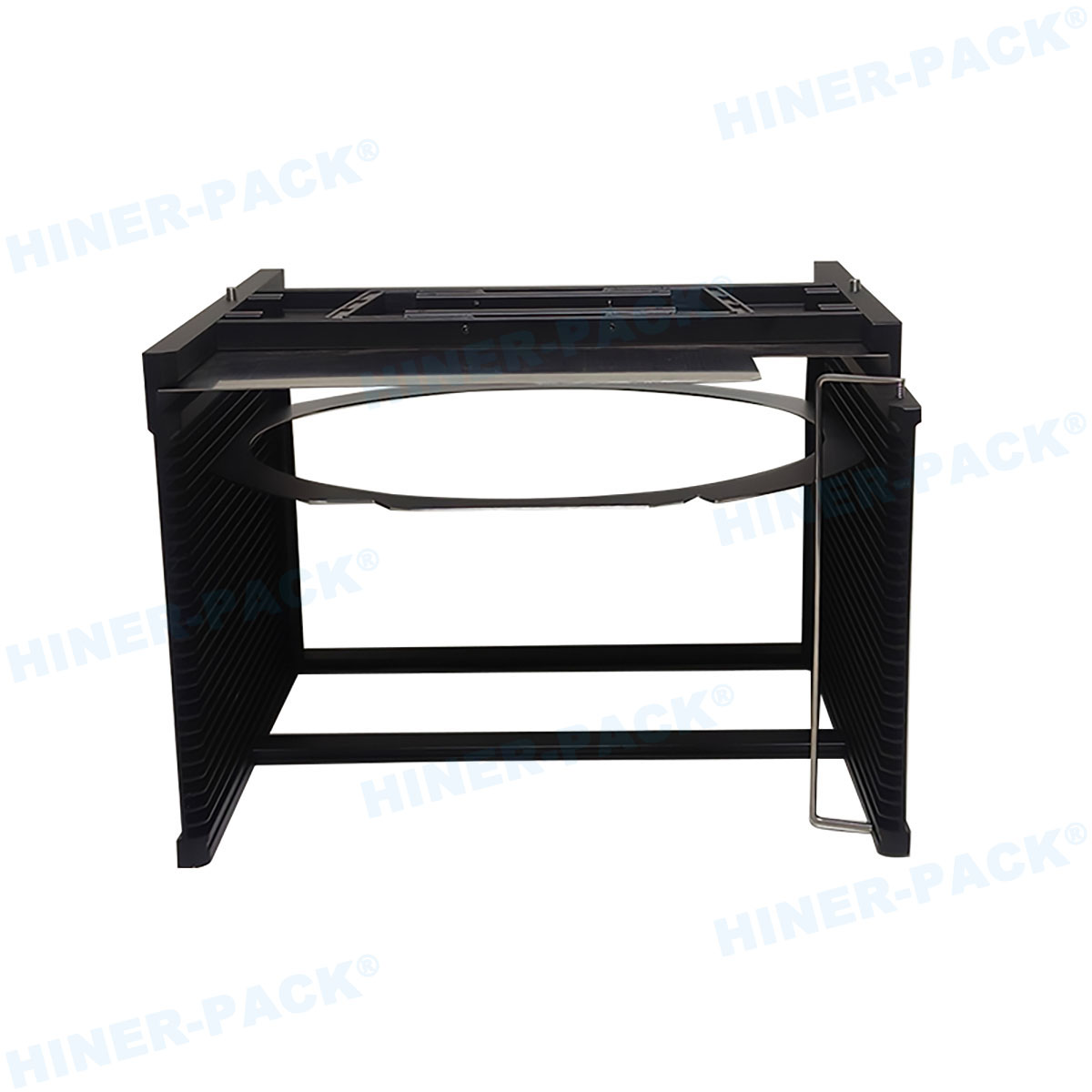
Supplier Collaboration and Technical Support
Selecting a wafer canister supplier extends beyond a transactional purchase—it initiates a technical partnership. Suppliers that assign dedicated application engineers to support customers offer advantages in troubleshooting, process optimization, and new product introduction. During the evaluation phase, assess the supplier's responsiveness to technical inquiries, their willingness to conduct joint experiments, and their track record of resolving field issues.
Suppliers that maintain test labs with particle counters, surface analyzers, and environmental chambers can perform custom testing to simulate your specific handling conditions. This collaborative approach reduces uncertainty and accelerates qualification timelines.
Frequently Asked Questions About Wafer Canister Supplier Selection
Q1: What certifications should a wafer canister supplier hold?
A1: At minimum, ISO 9001 certification for quality management. For advanced applications, look for suppliers that comply with SEMI standards (e.g., SEMI E47, E62) and hold additional certifications such as IATF 16949 if the end products serve automotive markets. Cleanliness certifications per ISO 14644 are also valuable.
Q2: How does a wafer canister supplier control particle contamination?
A2: Reputable suppliers employ a combination of material selection (low-outgassing polymers), precision molding in clean environments, ultrasonic cleaning, deionized water rinsing, and nitrogen purging. They also conduct particle shedding tests under dynamic conditions and provide cleanliness certification with each shipment.
Q3: What is the difference between a FOUP and a wafer canister?
A3: FOUP (front opening unified pod) is a specific type of wafer canister standardized for 300mm wafers with a front-opening interface. The term "wafer canister" encompasses a broader range of containers—including side-opening boxes, shipping trays, and custom carriers for 200mm or smaller wafers. The supplier should clarify which standard their product follows.
Q4: Can a wafer canister supplier provide custom designs for non-standard wafer sizes or processes?
A4: Yes, many suppliers offer engineering services to modify interior geometries, material formulations, or interface features. Customization may be required for wafers with patterned edges, thin profiles, or specific handling requirements. Discuss your process needs early to determine the feasibility and lead time for custom solutions.
Q5: How often should wafer canisters be requalified in the fab environment?
A5: Requalification frequency depends on usage intensity and cleaning cycles. Typically, canisters undergo visual inspection and particle testing after a certain number of cycles (e.g., 50 or 100 uses). Suppliers can recommend requalification intervals based on their material durability testing. Regular monitoring of incoming cleanliness levels also helps determine when requalification is needed.
Q6: What logistics factors should I consider when choosing a wafer canister supplier?
A6: Evaluate the supplier's packaging for inbound shipments—double-bagging, nitrogen backfill, and shock protection are important. Also assess their lead times, safety stock levels, and ability to provide emergency replenishment. Suppliers with regional distribution centers can reduce shipping delays and simplify customs clearance.
Request a Comprehensive Wafer Canister Supplier Qualification Package
Selecting the optimal wafer canister supplier requires careful analysis of technical specifications, operational capabilities, and long-term support. Hiner-pack specializes in engineered wafer handling solutions that meet the rigorous demands of semiconductor packaging—from front-end fabs to back-end assembly.
Our engineering team provides detailed product documentation, including material datasheets, cleanliness validation reports, and dimensional inspection certificates. We offer on-site technical support for integration and qualification, ensuring that our canisters perform consistently in your production environment.
To receive a tailored proposal and technical portfolio for your specific wafer dimensions and process requirements, please contact our semiconductor packaging specialists through the Hiner-pack website. We welcome detailed inquiries and confidential discussions regarding your wafer handling challenges.