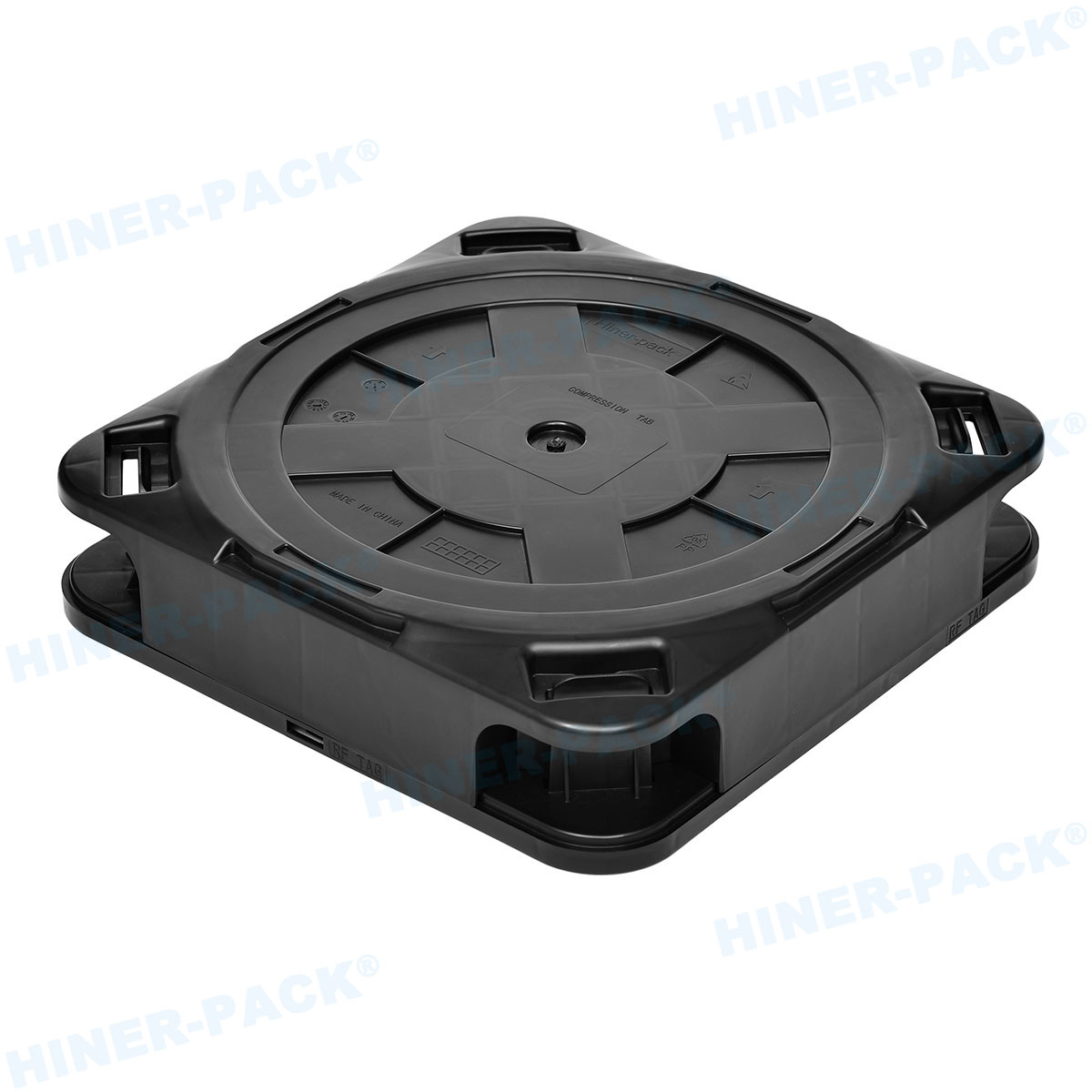
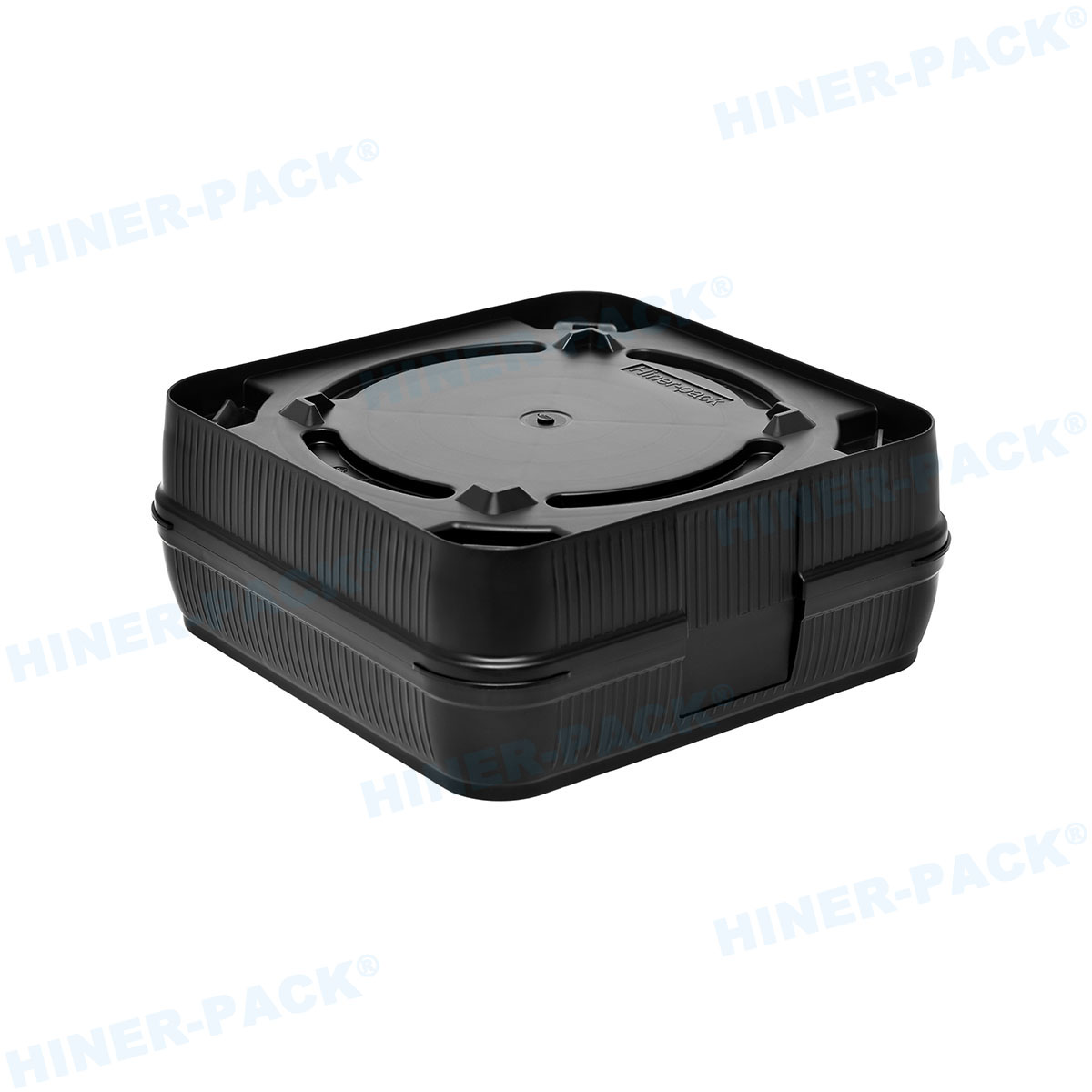
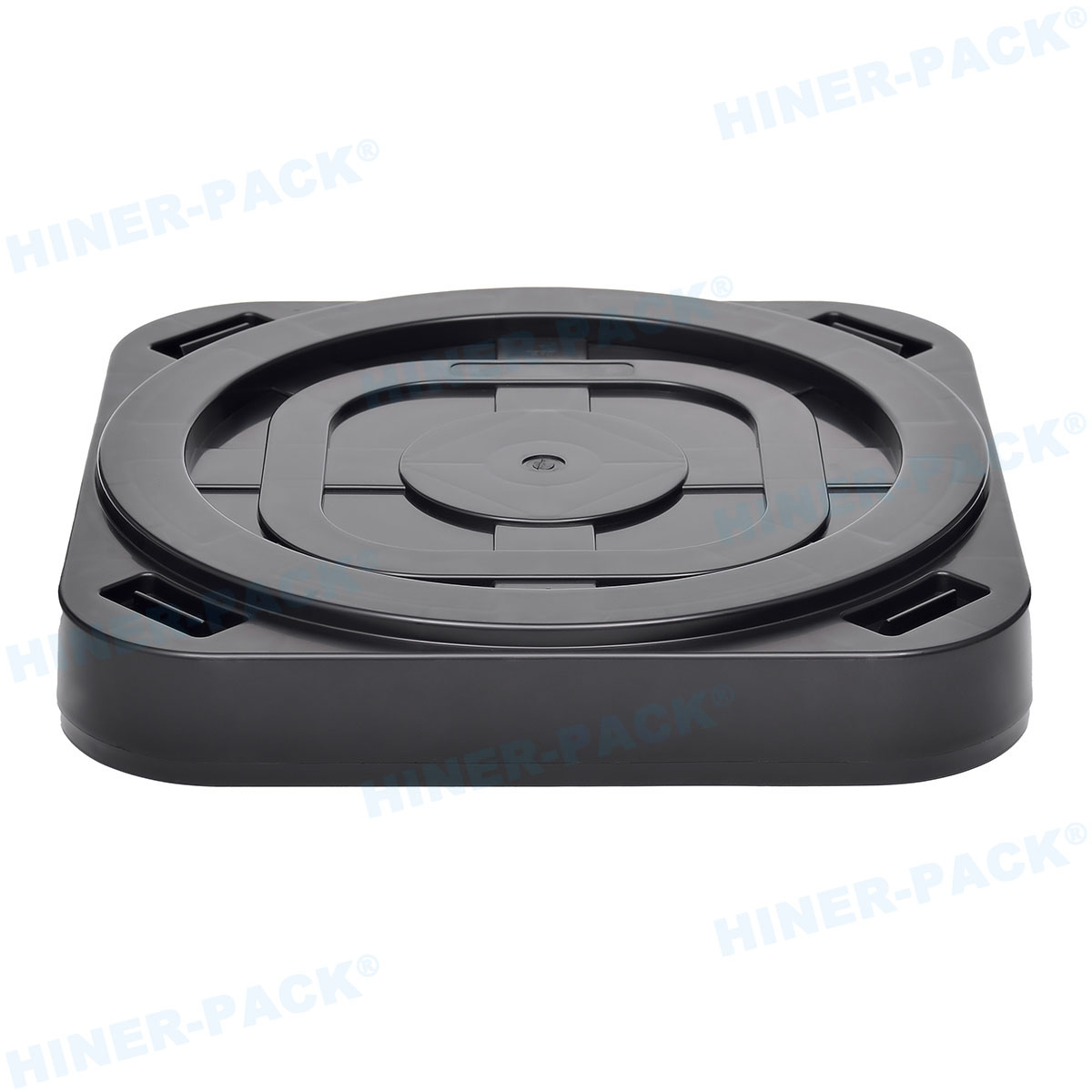
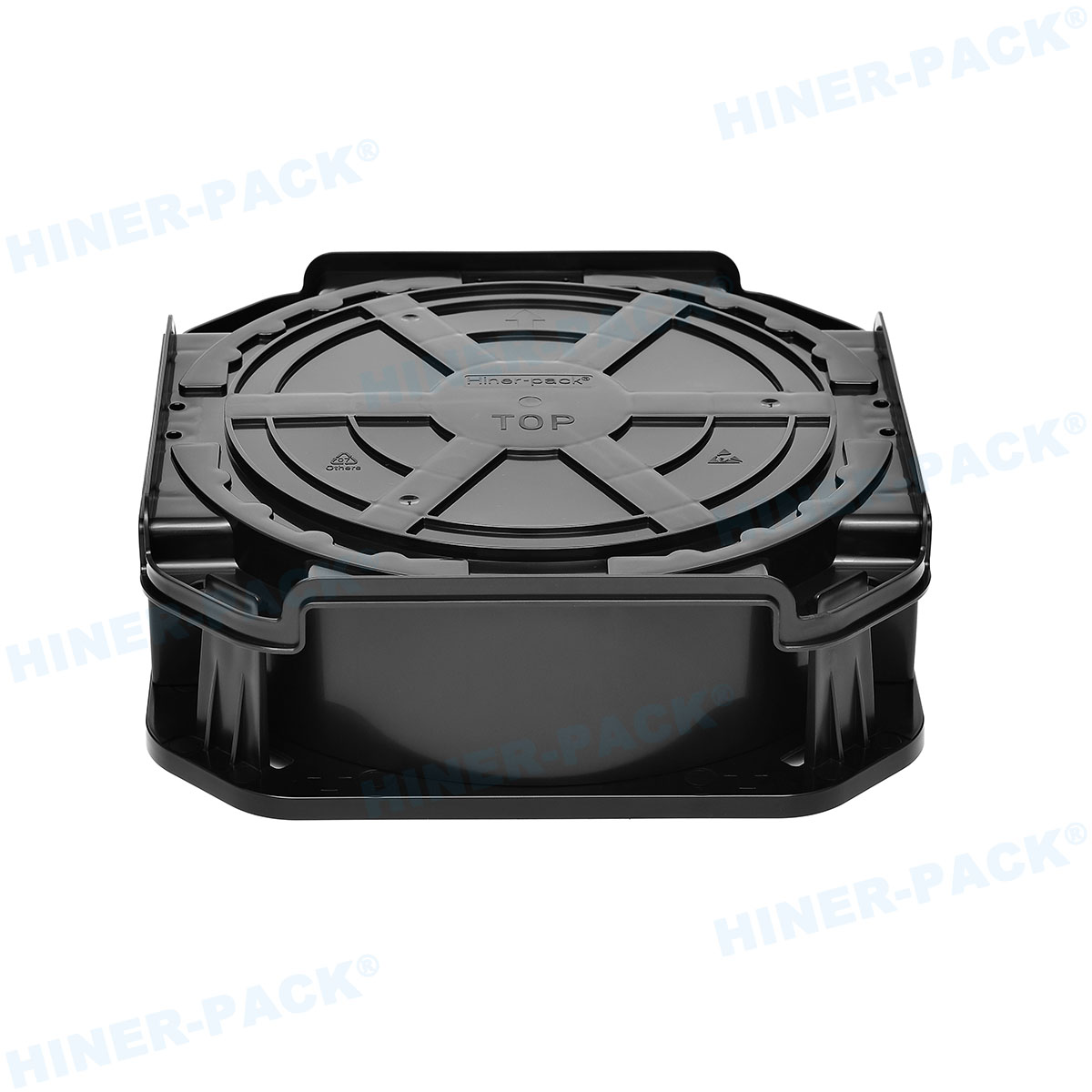
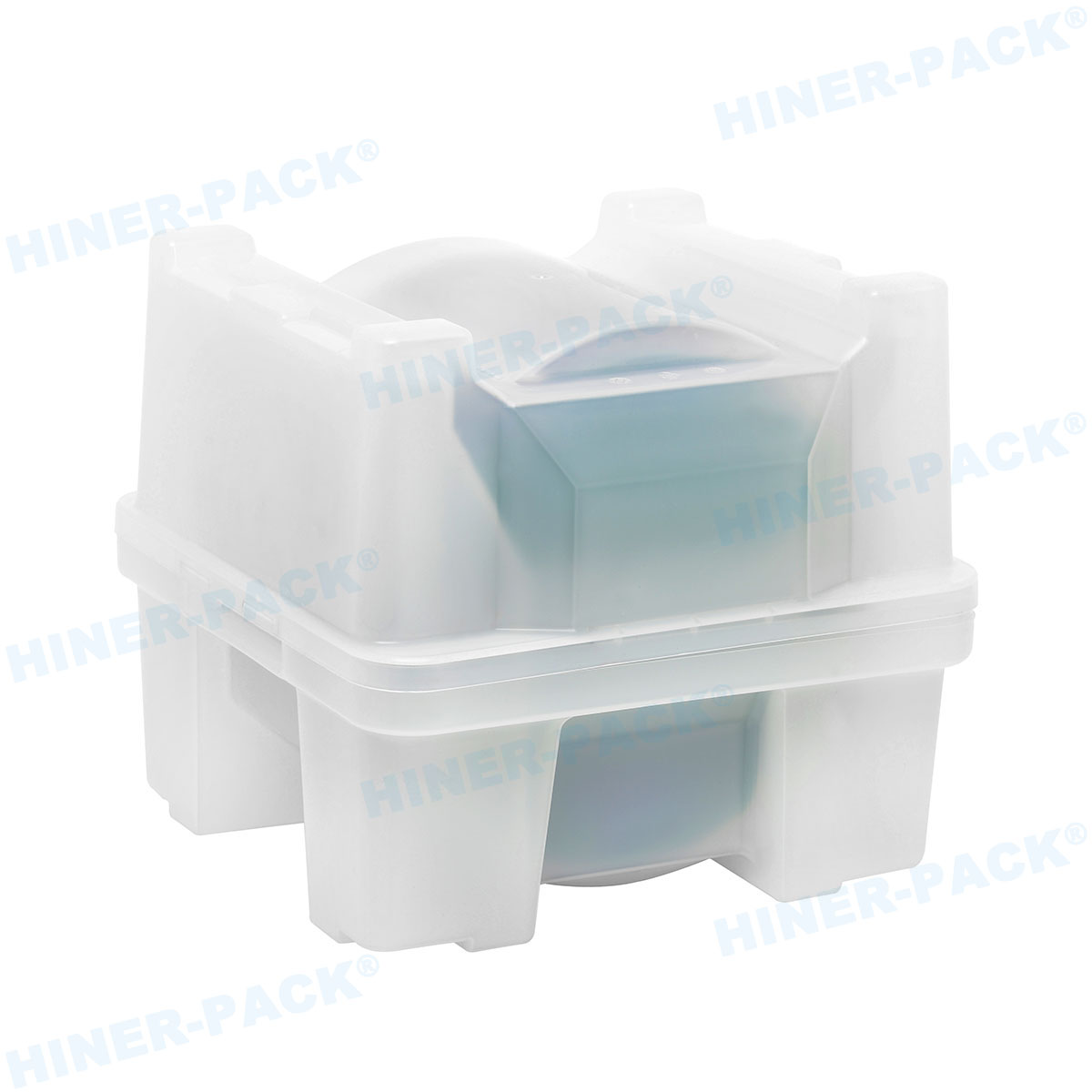
The selection of a wafer trays supplier directly influences yield rates, particle contamination levels, and transport damage statistics in semiconductor back-end manufacturing. Procurement decisions in this category extend beyond pricing sheets—they involve material science validation, cleanroom compatibility testing, and logistics performance auditing. This analysis examines the technical criteria that separate competent wafer trays supplier from those that introduce hidden costs through quality variability.
Material Science Requirements for Wafer Transport Trays
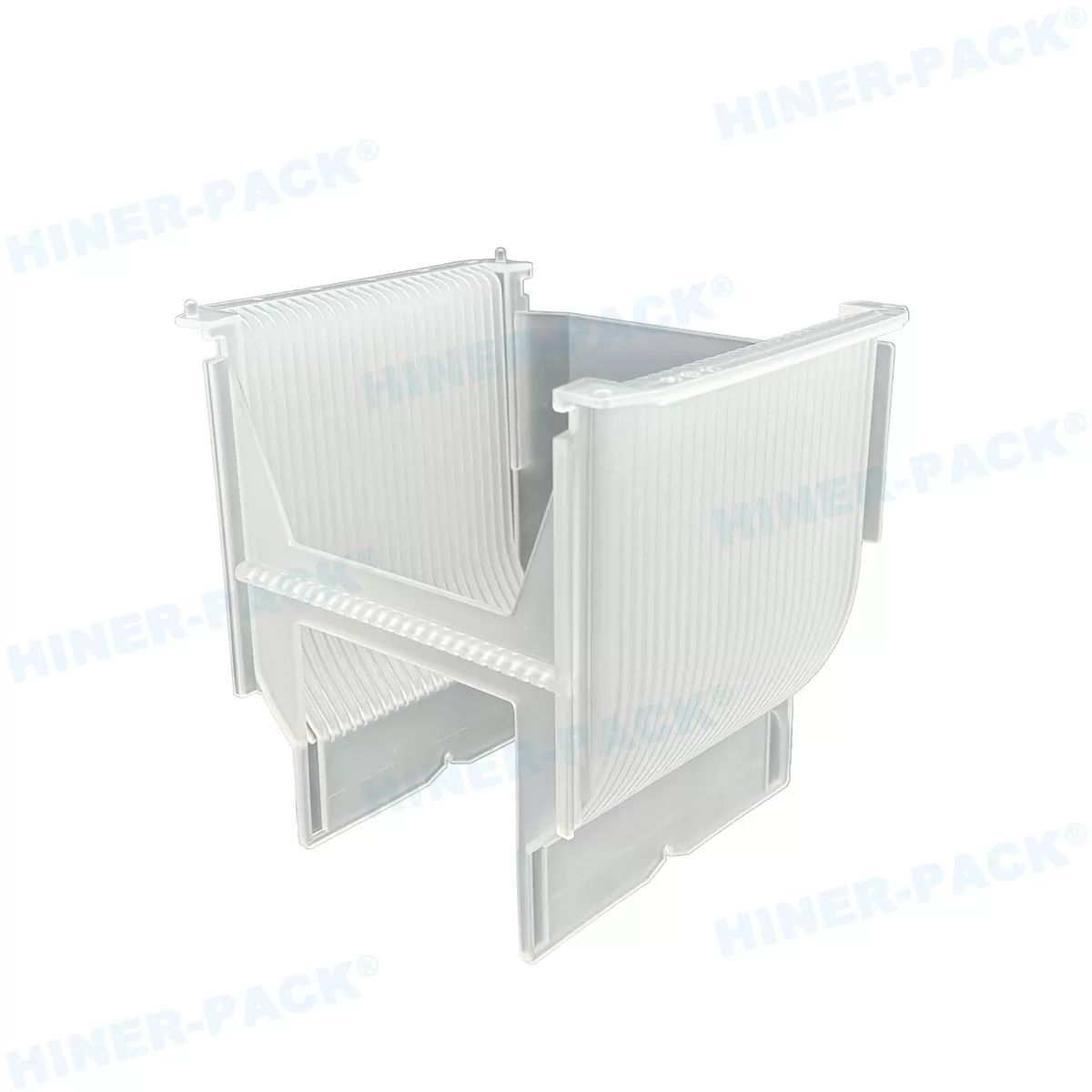
Wafer trays operate as protective interfaces between fragile silicon substrates and the handling equipment, storage environments, and shipping containers. The material composition determines electrostatic discharge (ESD) performance, outgassing profiles, and dimensional stability under thermal cycling. A wafer trays supplier must demonstrate control over these parameters through documented material certifications and batch-to-batch consistency.
Polymer Selection and Additive Packages
Polycarbonate (PC) and polyetheretherketone (PEEK) represent the primary base polymers for wafer trays, each offering distinct trade-offs. PC provides optical clarity for visual inspection and cost efficiency for high-volume applications. PEEK delivers superior thermal resistance and mechanical strength for processes involving elevated temperatures. The additive package—including antistatic agents, slip modifiers, and UV stabilizers—requires precise formulation to avoid surface migration that could contaminate wafer surfaces.
Antistatic additives function through either dissipative pathways or conductive fillers. Dissipative polymer systems maintain surface resistivity between 10⁶ and 10⁹ ohms per square, sufficient for most cleanroom environments without risking electrostatic discharge. Conductive carbon-filled trays offer lower resistivity but introduce particle shedding risks that require careful qualification. A qualified wafer trays supplier provides additive concentration data and extraction test results from independent laboratories.
Outgassing and Ionic Contamination
Volatile organic compounds (VOCs) released from tray materials condense on wafer surfaces during storage or thermal cycling, creating haze patterns that reduce yield in photolithography steps. Ionic contaminants—particularly chloride, fluoride, and sulfate residues—migrate to device active areas and cause reliability failures. Outgassing testing following SEMI E46 or equivalent standards quantifies these emissions. Suppliers must present outgassing profiles measured via thermal desorption gas chromatography-mass spectrometry (TD-GC-MS) for each production batch.
Ionic contamination testing per SEMI F55 uses ion chromatography (IC) to measure extractable anions and cations. Acceptable limits depend on device geometry and process node, with advanced nodes requiring tighter thresholds. Procurement engineers should request these test reports during supplier qualification, not as one-time certifications but as ongoing quality documentation accompanying each shipment.
Cleanroom Compatibility and Particle Control
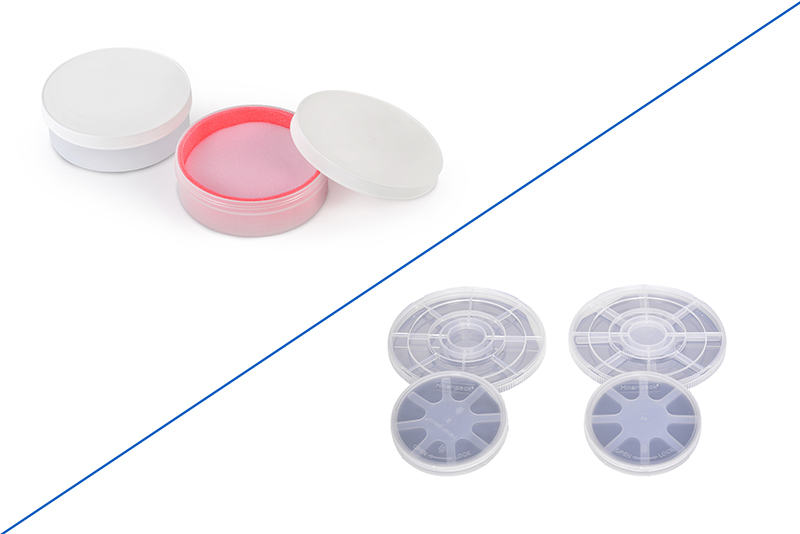
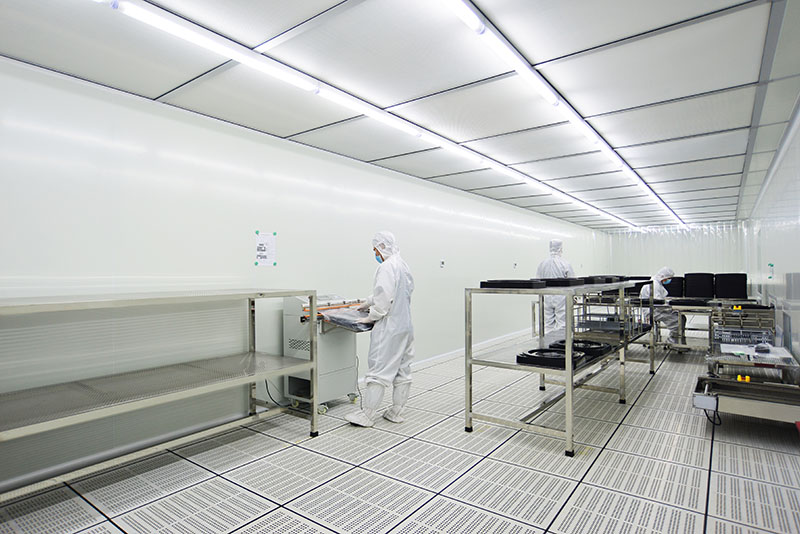
Wafer trays enter cleanroom environments classified ISO 5 (Class 100) or stricter, where airborne particle counts are tightly regulated. The tray itself becomes a potential contamination source through abrasion, handling wear, or residual processing debris. Cleanroom compatibility involves both the tray's static particle generation and its cleanability after repeated use cycles.
Particle Shedding Characterization
Liquid particle counting (LPC) and surface particle mapping quantify particle generation from tray surfaces under simulated handling conditions. Mechanical stress testing—tray flexing, stacking, and sliding—reveals particle release mechanisms that static measurements miss. A responsible wafer trays supplier includes these dynamic particle data in their technical documentation rather than relying solely on cleanroom assembly claims.
Surface roughness parameters (Ra, Rz) correlate with particle retention and release tendencies. Smoother surfaces reduce mechanical entrapment but may increase contact area and adhesion forces. The optimal roughness regime depends on the specific handling equipment and cleaning protocols used in the fab. Suppliers offering surface finish customization demonstrate deeper engineering capability compared to those offering only standard finishes.
Chemical Compatibility with Cleaning Agents
Wafer trays undergo regular cleaning cycles using isopropyl alcohol (IPA), detergents, or specialized semiconductor cleaning formulations. Chemical resistance data—weight change, surface degradation, and extractable increase after exposure—must be provided. Polymers that swell or craze under cleaning chemistries create particle traps and dimensional changes that affect tray stacking and automated handling. A wafer trays supplier with comprehensive chemical compatibility libraries supports process integration rather than leaving qualification testing to the customer.
Mechanical Design and Dimensional Tolerances
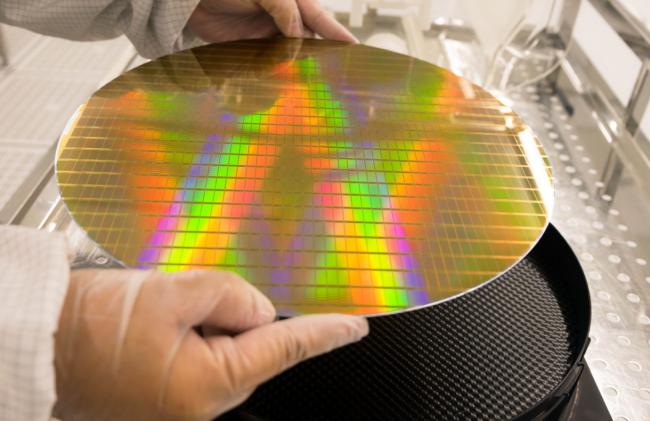
Wafer pockets within trays locate wafers precisely for automated retrieval by end effectors or vacuum pick-up tools. Pocket depth, sidewall taper, and corner radius determine wafer stability during handling and transport. Dimensional tolerances tighten with decreasing wafer thickness—300 mm wafers ground to 100 µm thickness require pocket designs that minimize edge contact stress while preventing lateral shifting.
Stacking and Interlocking Features
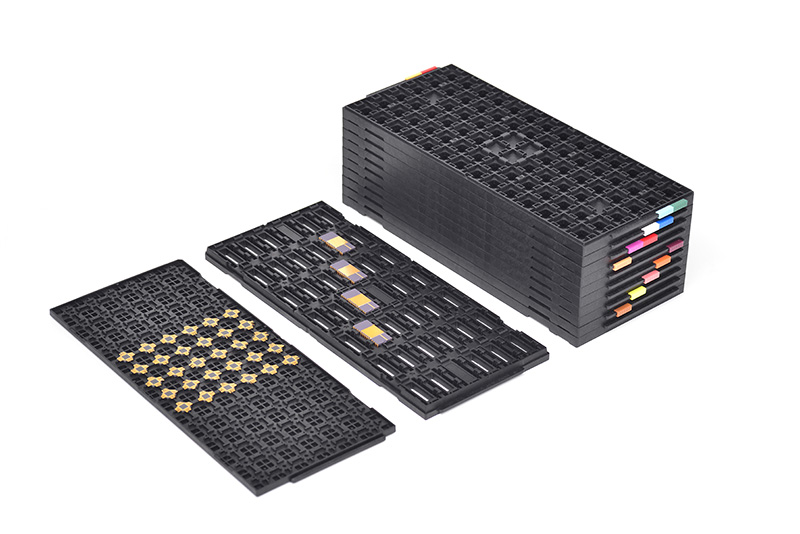
Stacking ribs, alignment pins, and interlocking features enable stable tray stacks during storage and shipping. Misalignment between stacked trays creates shear forces that can fracture wafers at the edges or backside. Tray warp and bow measurements under temperature and humidity variation must be documented. Suppliers using finite element analysis (FEA) for design optimization provide measurable performance advantages over those using trial-and-error approaches.
The coefficient of thermal expansion (CTE) matching between tray material and wafer substrate minimizes stress during temperature changes. For applications involving temperature cycling between storage and process conditions, CTE differences as small as 5 ppm/°C generate significant forces. Material selection and rib geometry design require collaboration between the tray manufacturer and the semiconductor process engineering team.
Supply Chain Considerations for Wafer Tray Procurement
Semiconductor manufacturing operates with just-in-time (JIT) inventory models where production halts are measured in tens of thousands of dollars per hour. Supply chain reliability becomes a primary differentiator among wafer trays supplier candidates. Lead time variability, production capacity redundancy, and raw material sourcing transparency directly affect the buyer's ability to maintain uninterrupted operations.
Capacity Planning and Peak Demand Handling
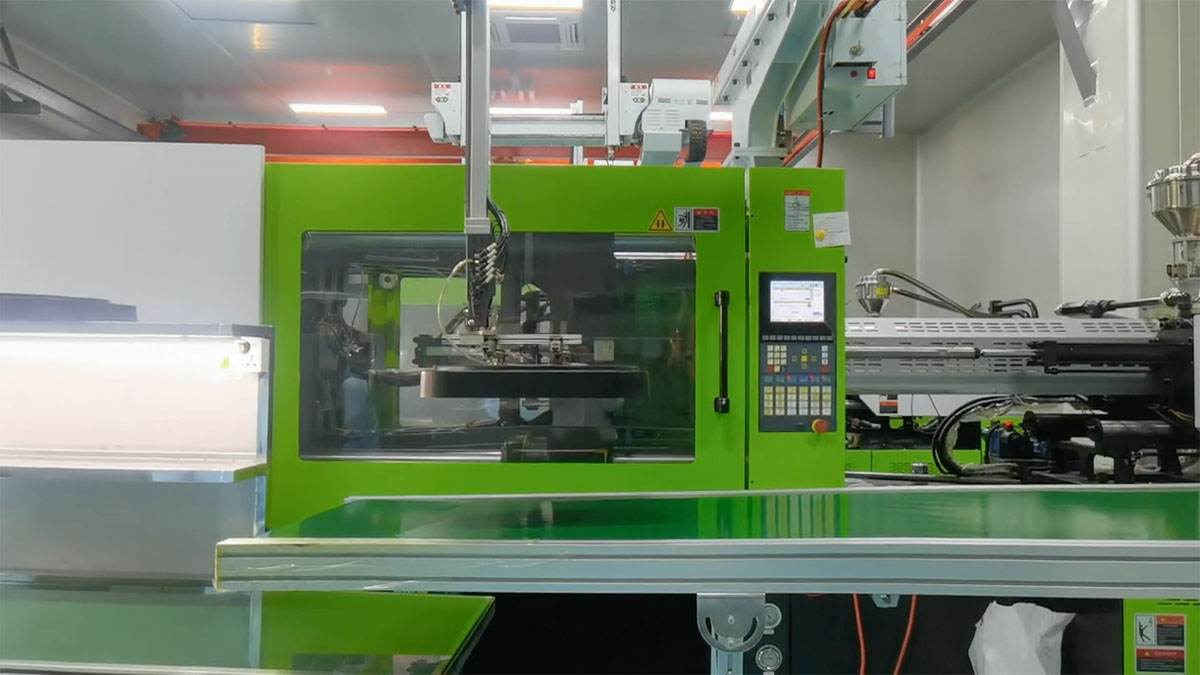
Seasonal demand fluctuations and new product introductions create spikes in wafer tray consumption. A supplier with scalable production capacity—multiple injection molding lines, tooling redundancy, and raw material safety stock—accommodates these variations without extending lead times. Capacity utilization reports and production scheduling transparency provide visibility into the supplier's ability to handle surges without compromising quality.
Secondary sourcing strategies often involve qualifying two wafer trays supplier for each tray design. This approach mitigates supply disruption risks but introduces qualification costs and dual inventory management overhead. For critical tray designs, suppliers offering design ownership transfer or shared tooling arrangements reduce the switching cost when secondary sourcing becomes necessary.
Geographic Distribution and Logistics Performance
Wafer tray shipping distances correlate with damage incidence and delivery consistency. Regional suppliers reduce transit times and simplify return processes for defective trays. International logistics bring cost advantages but require careful packaging to prevent tray deformation during air or sea freight. Shipping container design—corrugated boxes with internal cushioning, strapping, and moisture barriers—protects trays during transport.
Damage rates in transit, measured as percentage of trays requiring rework or rejection, provide a direct comparison metric across suppliers. These rates incorporate handling at multiple transfer points, warehouse storage conditions, and final-mile delivery practices. A wafer trays supplier with integrated logistics management—tracking shipment conditions, documenting handling procedures, and analyzing damage root causes—delivers measurable cost savings through reduced scrap.
Quality Systems and Traceability
Traceability from raw material receipt to finished tray shipment enables root cause analysis when quality issues occur. Batch-level identification, production date coding, and inspection records must be available for each tray shipment. Quality management systems (QMS) following ISO 9001 or IATF 16949 provide structured frameworks, though semiconductor-specific requirements often extend beyond these general standards.
Statistical Process Control (SPC) in Tray Production
Injection molding parameters—melt temperature, injection pressure, cooling rate, and cycle time—directly affect tray dimensions, stress distribution, and surface quality. SPC charts tracking these parameters identify process drift before non-conforming products reach the customer. Suppliers publishing SPC data with shipments demonstrate quality transparency and process maturity.
Measurement system analysis (MSA) for dimensional inspection tools ensures that measurement variation does not mask production variation. Gauge repeatability and reproducibility (GRR) studies, performed per AIAG guidelines, verify that inspection results accurately reflect product dimensions. A wafer trays supplier committed to quality provides MSA documentation for their inspection equipment.
Regulatory Compliance and Environmental Considerations
Chemical registrations—REACH, RoHS, and TSCA—require documentation of material composition and restricted substance levels. Conflict minerals reporting, while primarily affecting metal packaging, extends to tray coatings and additives containing tin, tungsten, or gold. Regulatory compliance documentation must be current and accessible for each production batch.
Environmental sustainability metrics—energy consumption per tray produced, water usage, and waste generation—increasingly appear in supplier scorecards. While not directly affecting wafer protection, these metrics reflect operational efficiency and long-term supply stability. Suppliers investing in energy-efficient molding equipment and recycled material development position themselves for procurement preferences in environmentally conscious organizations.
Economic Factors in Wafer Tray Supplier Selection
Total cost of ownership (TCO) analysis for wafer trays includes purchase price, incoming inspection costs, yield loss from contamination, handling damage rates, and disposal or recycling expenses. Price alone often masks higher downstream costs from quality variability or inadequate technical support. Structured TCO models allow quantitative comparison across suppliers with different price points and service levels.
Tooling costs and engineering changes represent significant procurement expenses, particularly for custom tray designs. Suppliers offering cost-sharing arrangements for tooling development or no-cost engineering change orders reduce the buyer's capital commitment. These arrangements indicate supplier investment in long-term relationships rather than transaction-focused engagement.
Throughout these evaluation dimensions, Hiner-pack provides technical consultation and material qualification support for procurement teams navigating the complex wafer tray landscape. Hiner-pack applications engineers assist with chemical compatibility testing, dimension verification protocols, and logistics damage analysis. Hiner-pack also offers comparative performance benchmarking across multiple wafer trays supplier candidates, reducing the internal resource burden of supplier qualification.
Frequently Asked Questions
What material properties are most critical when evaluating a wafer trays supplier?
Surface resistivity, outgassing profiles (VOC and ionic contamination), CTE matching with silicon, and chemical resistance to cleaning agents top the list. These properties directly affect yield through contamination prevention and mechanical stress reduction. Requesting batch-level test data verifies consistency across production runs.
How does a wafer trays supplier demonstrate cleanroom compatibility?
Through liquid particle counting (LPC) data, surface roughness measurements, and dynamic particle generation testing under simulated handling. Cleanroom packaging methods and assembly conditions also matter—suppliers should document assembly in ISO 5 or cleaner environments and use double-bagged, vacuum-sealed packaging.
What quality documentation should a wafer trays supplier provide with shipments?
Batch-level inspection reports (dimensions, surface quality, particle counts), material certification (additive levels, base resin source), outgassing and ionic contamination test results, and SPC charts for production parameters. Traceability documentation linking raw material lots to finished tray batch numbers enables root cause analysis.
How do lead times vary among wafer trays suppliers, and what causes variability?
Lead times range from 2 weeks for standard designs with available tooling to 12 weeks for custom designs requiring new mold fabrication. Variability sources include raw material availability (particularly specialty polymers), molding machine scheduling, and third-party testing lab turnaround times. Supplier transparency on capacity utilization helps predict lead time reliability.
What should procurement engineers include in a wafer trays supplier audit?
Injection molding process controls, cleanroom conditions during assembly and packaging, measurement equipment calibration records, incoming raw material inspection procedures, and non-conformance handling protocols. Supplier responsiveness to technical queries and sample request timeliness also serve as operational performance indicators.
How does wafer thickness affect tray design and supplier capability requirements?
Thinner wafers (below 150 µm) require shallower pocket depths, reduced edge contact forces, and tighter dimensional tolerances to prevent fracture during insertion and removal. Suppliers with experience in thin-wafer handling applications demonstrate advanced pocket geometry optimization and finite element analysis capabilities. Requesting reference designs for thin-wafer applications confirms this expertise.
Procurement Decision Framework
Evaluating a wafer trays supplier involves four primary assessment categories: material performance, cleanroom compatibility, supply chain reliability, and quality systems. Each category carries different weights depending on the specific application—advanced node logic fabs prioritize contamination control, while power device manufacturers emphasize thermal stability. Developing a weighted scorecard tailored to the facility's process requirements enables objective comparison among supplier candidates.
On-site supplier audits remain the most effective method for verifying claimed capabilities. Audit findings often reveal gaps between documentation and actual practices—maintenance logs, training records, and process monitoring data provide evidence of sustained performance. For critical tray designs, pilot production runs with full testing protocols validate supplier capability before volume commitments.
Supplier relationship development extends beyond initial qualification. Regular performance reviews, quarterly business meetings, and joint continuous improvement projects strengthen the partnership and reduce total cost over the product lifecycle. Semiconductor manufacturers benefit from suppliers that invest in new material development, process innovations, and capacity expansions aligned with the manufacturer's technology roadmap.
Procurement teams seeking to streamline the wafer tray supplier selection process can engage specialized consulting support for technical specification development, supplier prequalification, and test protocol design. This approach reduces qualification cycle time and ensures alignment between supplier capabilities and manufacturing requirements.
For detailed technical specifications, sample testing arrangements, or supplier performance benchmarking, contact Hiner-pack procurement advisory services for wafer handling and transport solutions.