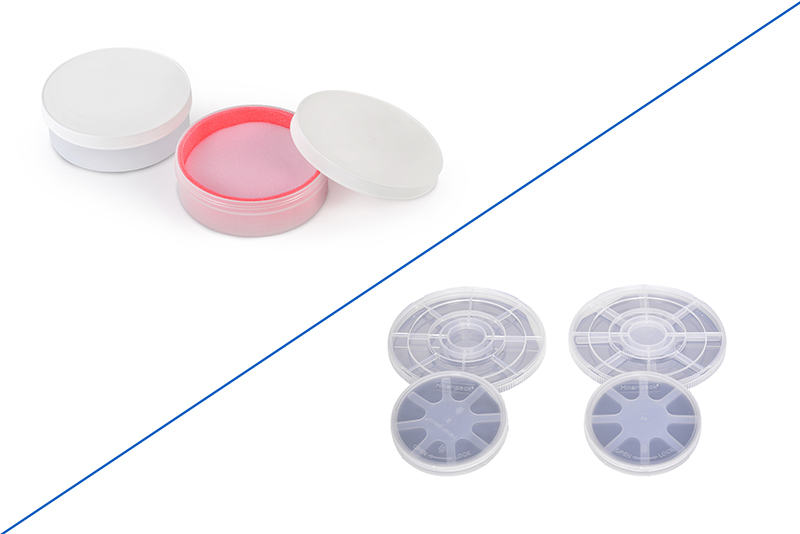
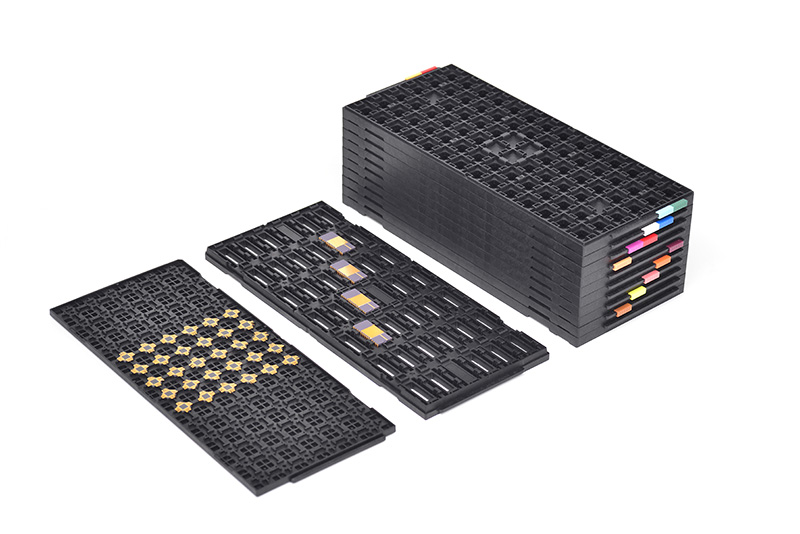
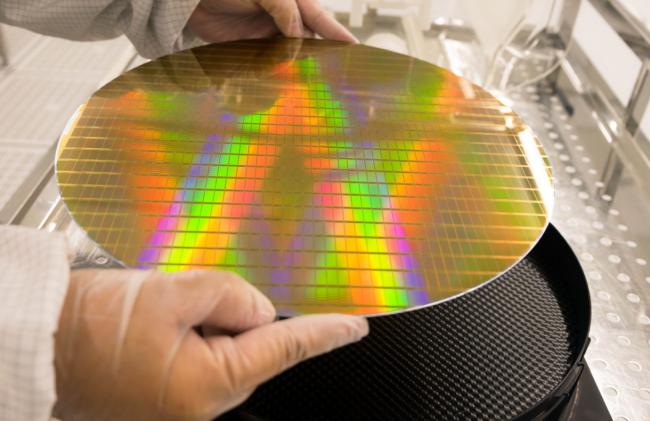
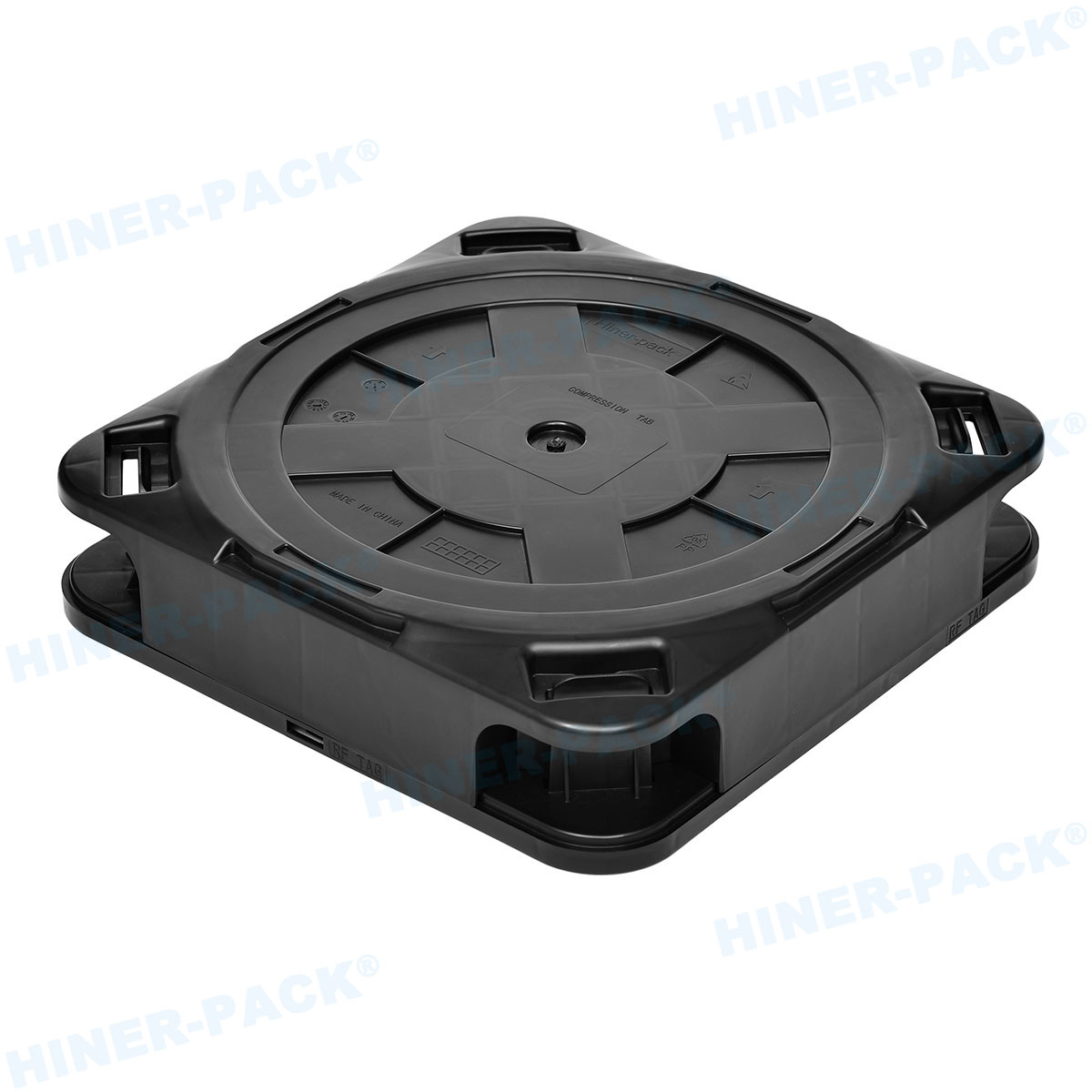
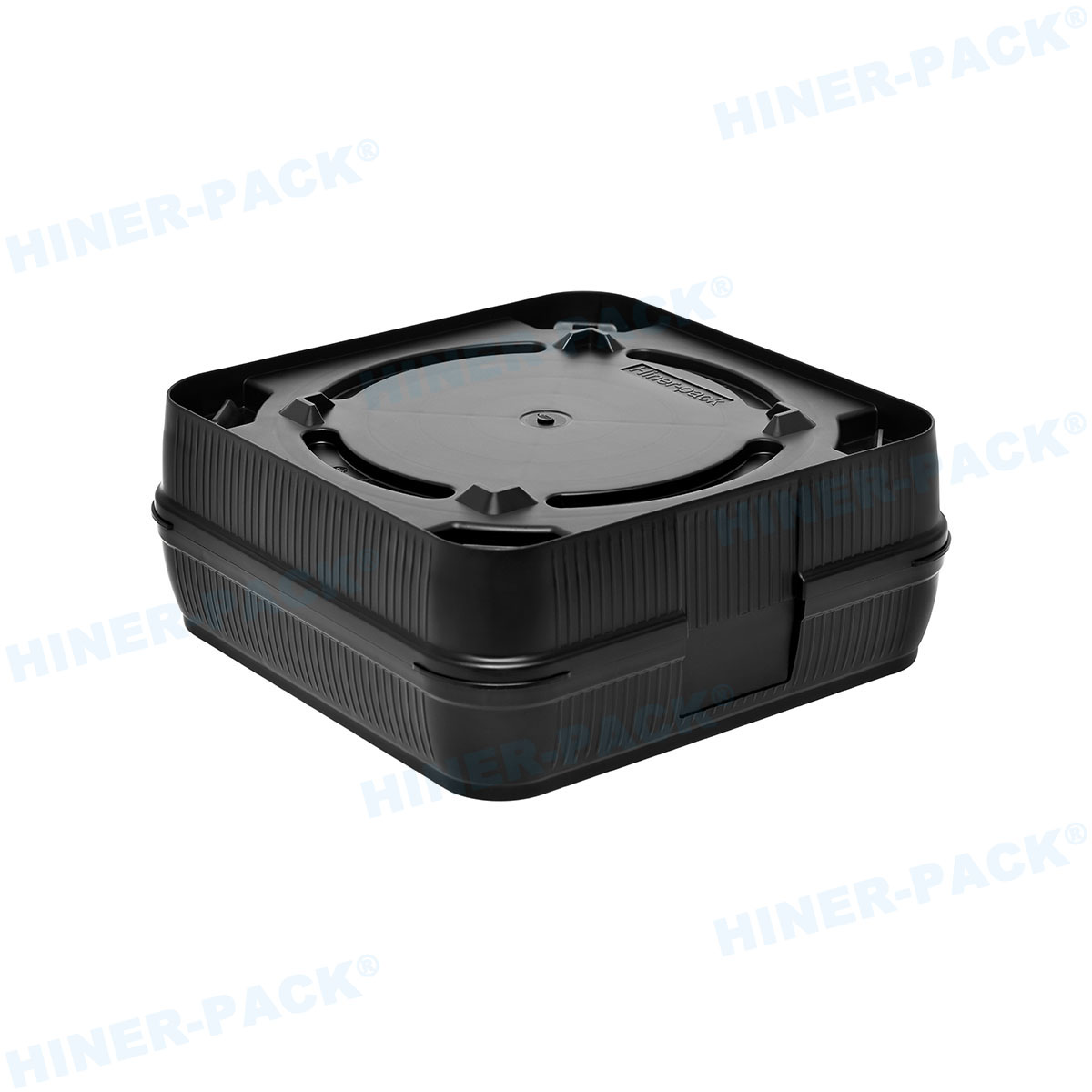
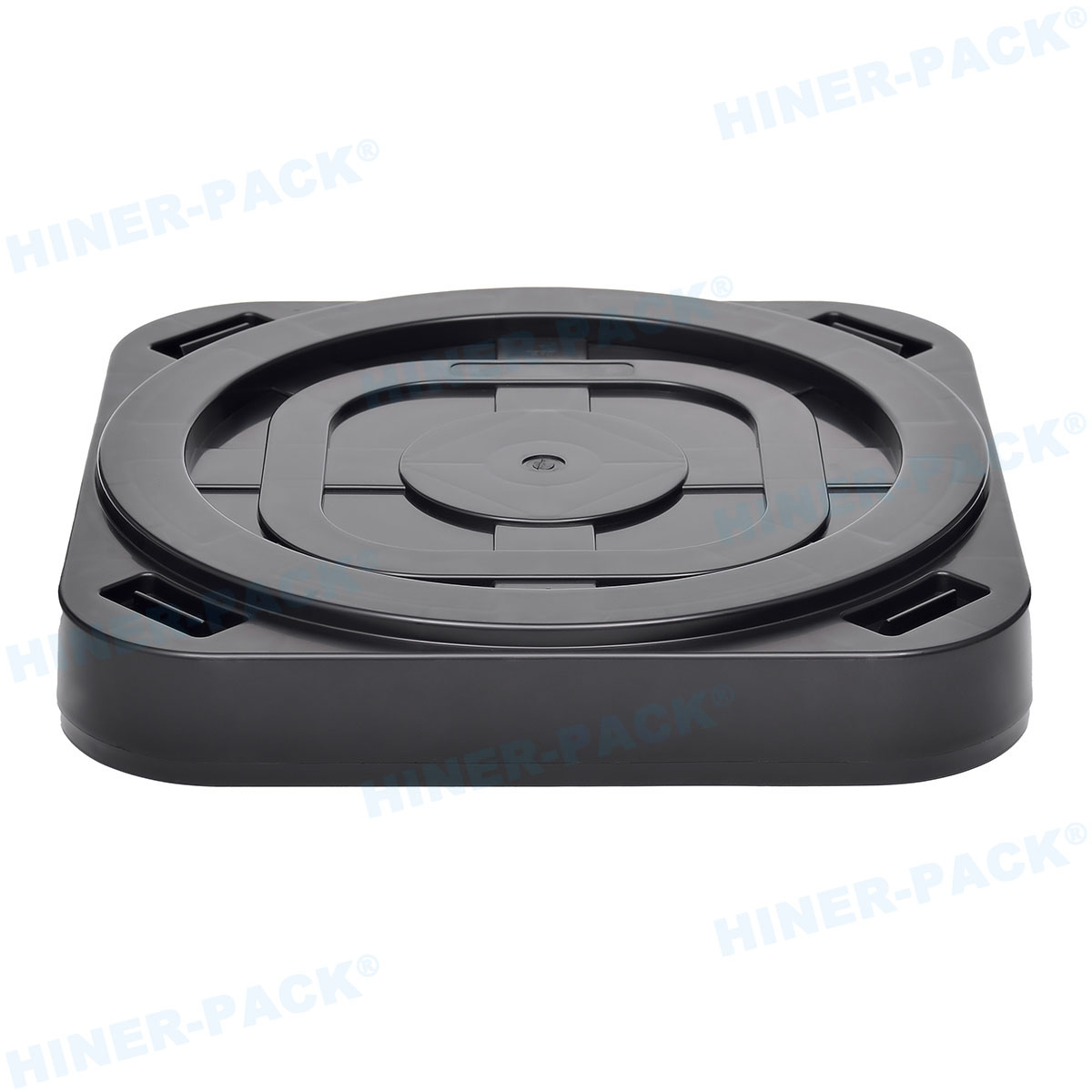
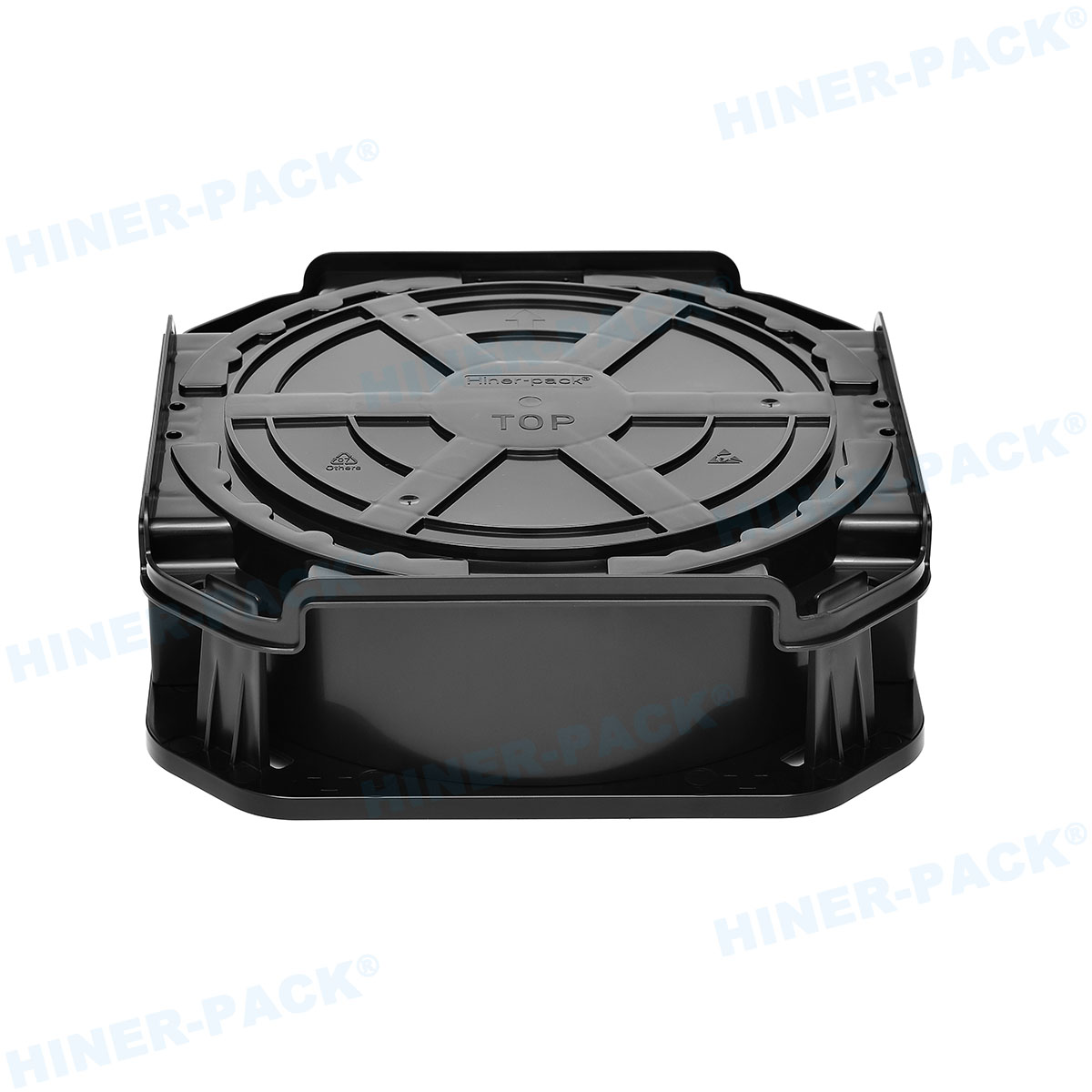
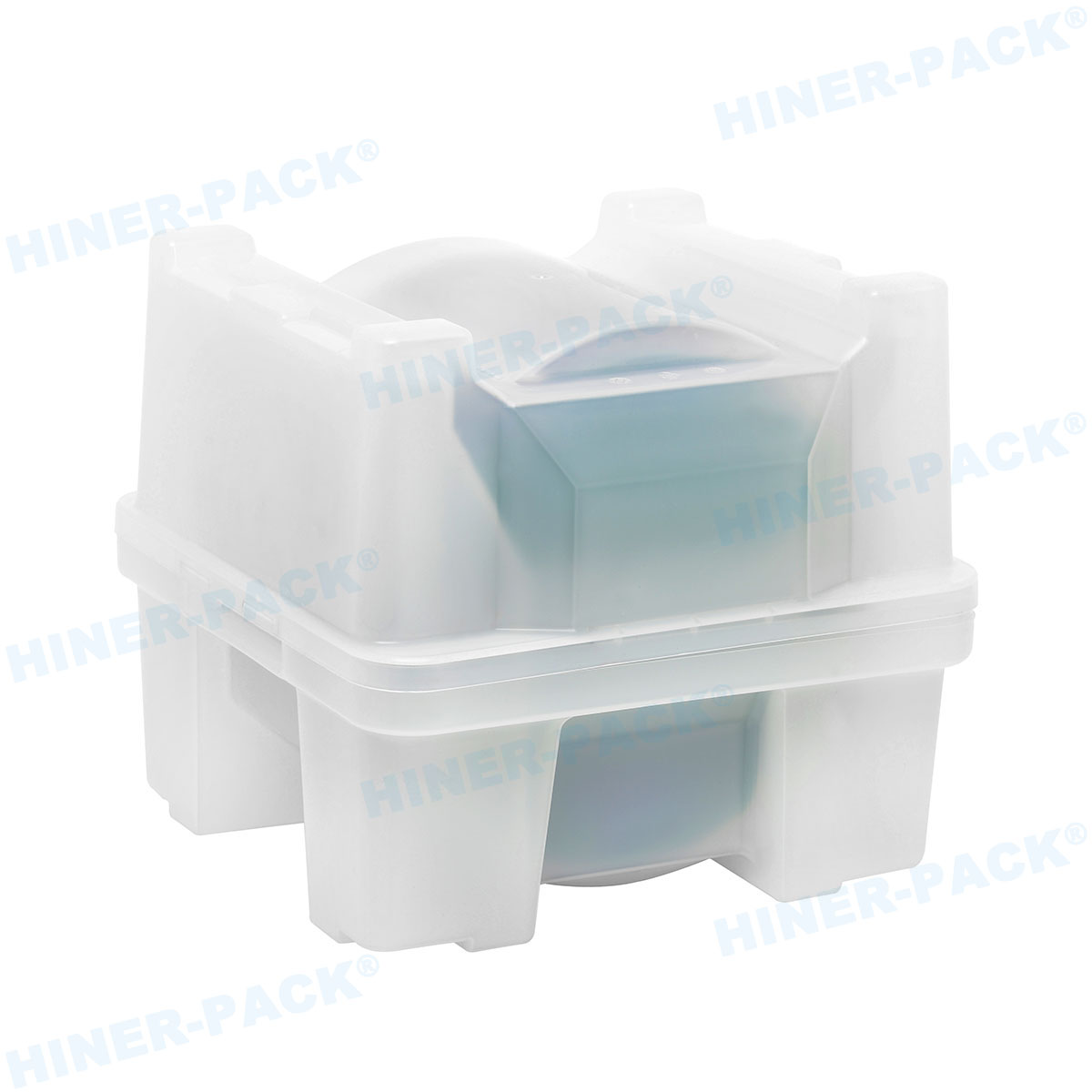
In semiconductor manufacturing, a single micro-scratch, particulate contamination, or electrostatic discharge (ESD) event during transport can compromise an entire batch of 300mm wafers. Such incidents can result in losses exceeding $100,000 per front-opening unified pod (FOUP) or cassette. Despite these high stakes, procurement teams often treat transport carriers as standard commoditized plastics.
Evaluating a wafer carriers quotation requires looking beyond the initial unit price. Sourcing managers must assess material science, precision mechanical tolerances, cleanroom compliance, and long-term yield preservation.
This guide analyzes the technical variables that influence a wafer carriers quotation. We provide a structured framework to help you secure reliable packaging solutions that safeguard your yields during shipping and processing.
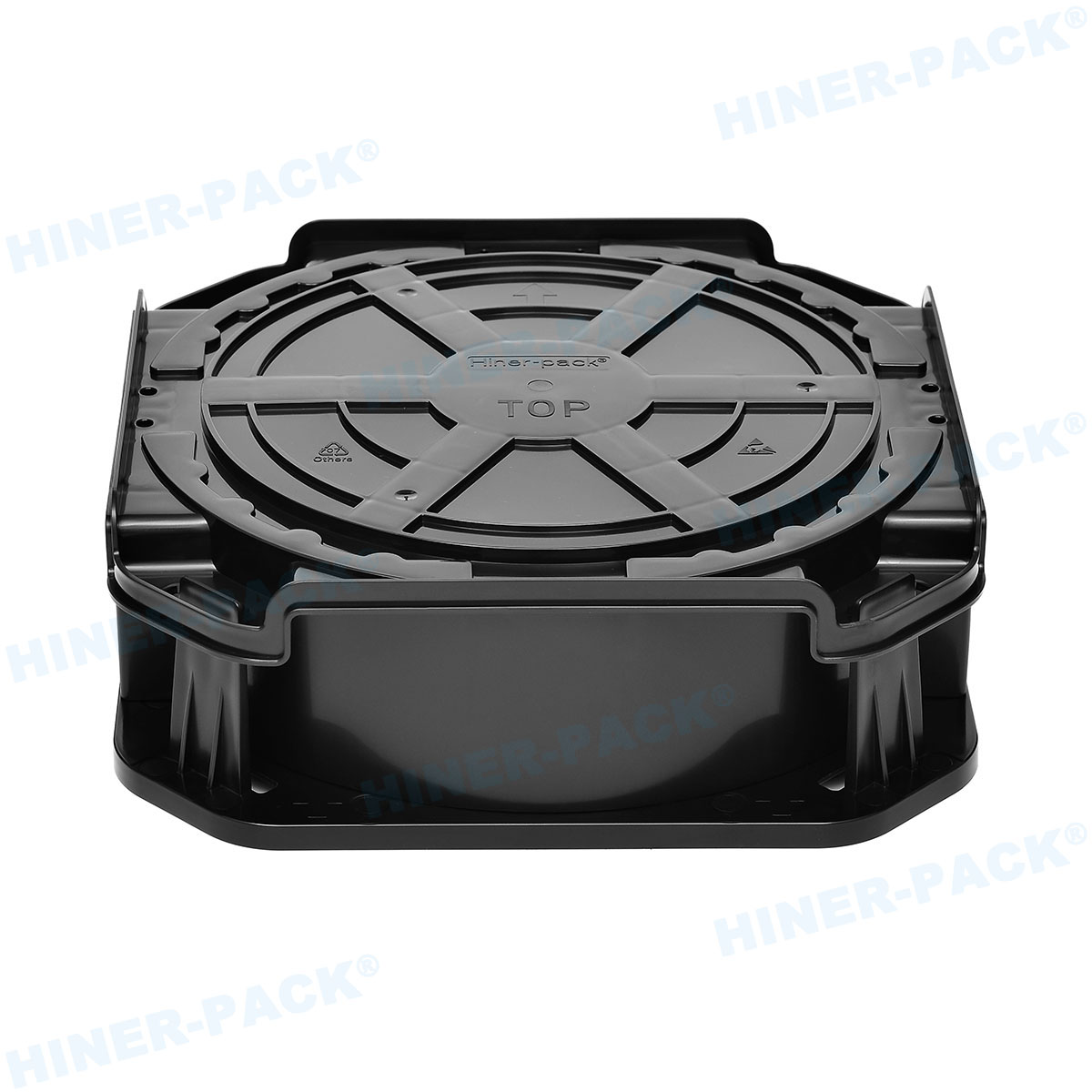
Beyond the Unit Price: Key Drivers of a Wafer Carriers Quotation
The unit cost on a wafer carriers quotation is determined by a complex mix of material formulations, molding precision, and cleanliness protocols. Standard structural plastics are inadequate for the cleanroom environments and automated handling systems used in modern wafer fabs.
High-purity polymers, such as Polyetheretherketone (PEEK), Polycarbonate (PC), and Polypropylene (PP), serve as the foundation for these carriers. Each polymer offers different levels of thermal stability, mechanical rigidity, and chemical resistance. These factors directly influence the pricing structure of your wafer carriers quotation.
Additionally, structural reinforcement using carbon fiber or carbon powder is necessary to achieve specific surface resistivity ranges (typically 105 to 109 ohms/sq) for ESD protection. This advanced compounding process is a primary driver of the final price on a wafer carriers quotation.
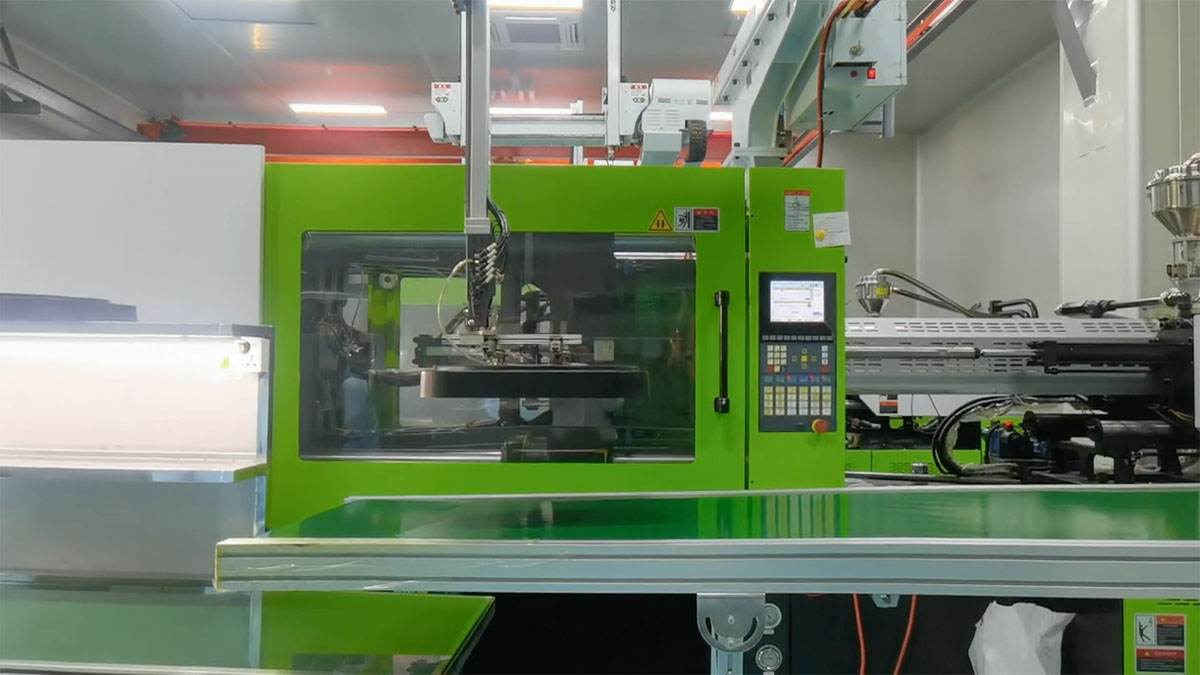
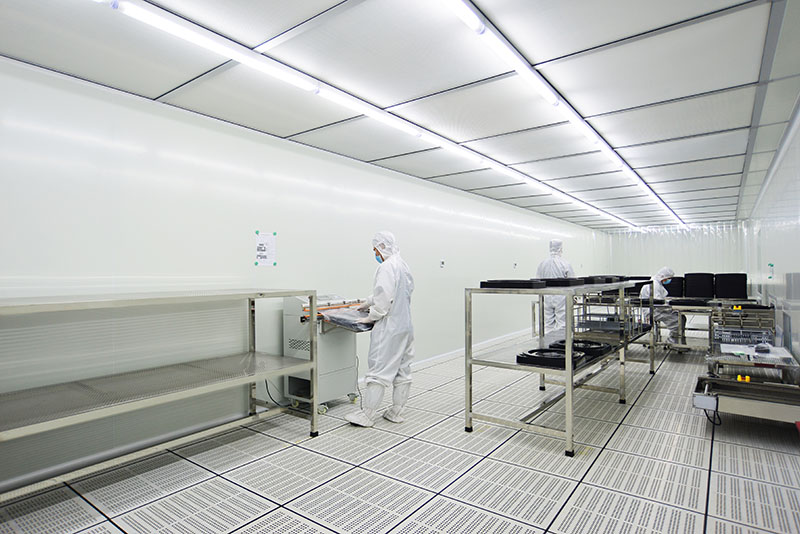
Manufacturing cleanroom standards also play a significant role. Carriers molded and packed in an ISO Class 4 cleanroom require more rigorous quality control and washing processes than those produced in standard facilities. This added step is reflected in any professional wafer carriers quotation.
The Wafer Shield Triad (WST) Framework
To evaluate a wafer carriers quotation systematically, engineering and procurement teams can utilize the Wafer Shield Triad (WST) Framework. This model balances material integrity, mechanical compliance, and environmental barriers to optimize carrier selection.
| Triad Pillar | Technical Parameters | Impact on Yield & Reliability |
|---|---|---|
| Material Integrity | ESD surface resistivity, outgassing rates (VOCs), thermal deflection temperature. | Prevents electrostatic attraction of particles and chemical contamination of wafer surfaces. |
| Mechanical Compliance | SEMI standard alignment (E1.9, E110), slot pitch accuracy, robotic handling grooves. | Minimizes mechanical vibration and transfer errors during automated fab processing. |
| Environmental Barrier | Hermetic sealing integrity, outgassing mitigation, purge valve compatibility. | Protects wafers against moisture, oxygen ingress, and particulate intrusion during transit. |
Using the WST framework during technical evaluations helps prevent procurement errors. Ensuring your supplier addresses all three pillars in their wafer carriers quotation minimizes the risk of purchasing low-cost carriers that could cause automated handling errors or contamination in production.
The Outgassing Paradox: A Critical Sourcing Consideration
A common misstep when evaluating a wafer carriers quotation is assuming that higher material purity always yields better performance. In specialized packaging environments, this is known as the Outgassing Paradox.
Some virgin polymers, while highly pure, can outgas volatile organic compounds (VOCs) when subjected to shipping temperatures during international transit. Over time, these VOCs can deposit onto the wafer surfaces, leading to haze formation or unintentional doping of thin-film layers.
To mitigate this issue, leading manufacturers like Hiner-pack utilize vacuum baking and specialized outgassing treatment protocols. These steps ensure that the carriers remain chemically inert, even when exposed to fluctuating shipping conditions.
When comparing any wafer carriers quotation, always ask if post-molding outgassing treatments are included in the pricing. Excluding these processes may lower the initial cost but can introduce latent contamination risks later in your production cycle.
How to Request and Analyze a Wafer Carriers Quotation
Obtaining an accurate and comparable wafer carriers quotation requires providing detailed technical specifications up front. Vague requests often lead to delays or mismatched product specifications.
Your Request for Quote (RFQ) should specify your wafer size (e.g., 150mm, 200mm, or 300mm), slot capacity, temperature requirements, and automated handling compatibility (such as SEMI standard compliance). Clearly stating these parameters helps manufacturers customize your wafer carriers quotation to match your operating environment.
It is also beneficial to ask for volume-based pricing tiers. Volume tiers in a wafer carriers quotation help procurement teams plan for production ramps and optimize shipping and storage costs.
Working with experienced packaging partners like Hiner-pack helps ensure that technical nuances, such as ESD longevity and mechanical wear tolerances, are factored into your wafer carriers quotation from the start.
A Sourcing Checklist for Packaging Engineers
This checklist is designed to help procurement and engineering teams evaluate a wafer carriers quotation. Ensure your prospective supplier meets these requirements before finalizing any purchase agreements.
Material Certification: Request data sheets verifying ESD surface resistivity limits (105 to 109 ohms/sq) and low outgassing properties.
SEMI Compliance: Confirm that the carrier geometry adheres to SEMI standards (such as SEMI E1.9 for 300mm FOUPs or standard cassette dimensions) to ensure seamless tool integration.
Cleanliness Verification: Check if the pricing in your wafer carriers quotation includes ultrasonic DI water washing in an ISO-certified cleanroom.
Mechanical Testing: Ask for stress-crack resistance reports and drop testing documentation under loaded conditions.
Traceability: Ensure the carriers feature laser-engraved serial numbers or molded-in barcodes for automated tracking within the fab.
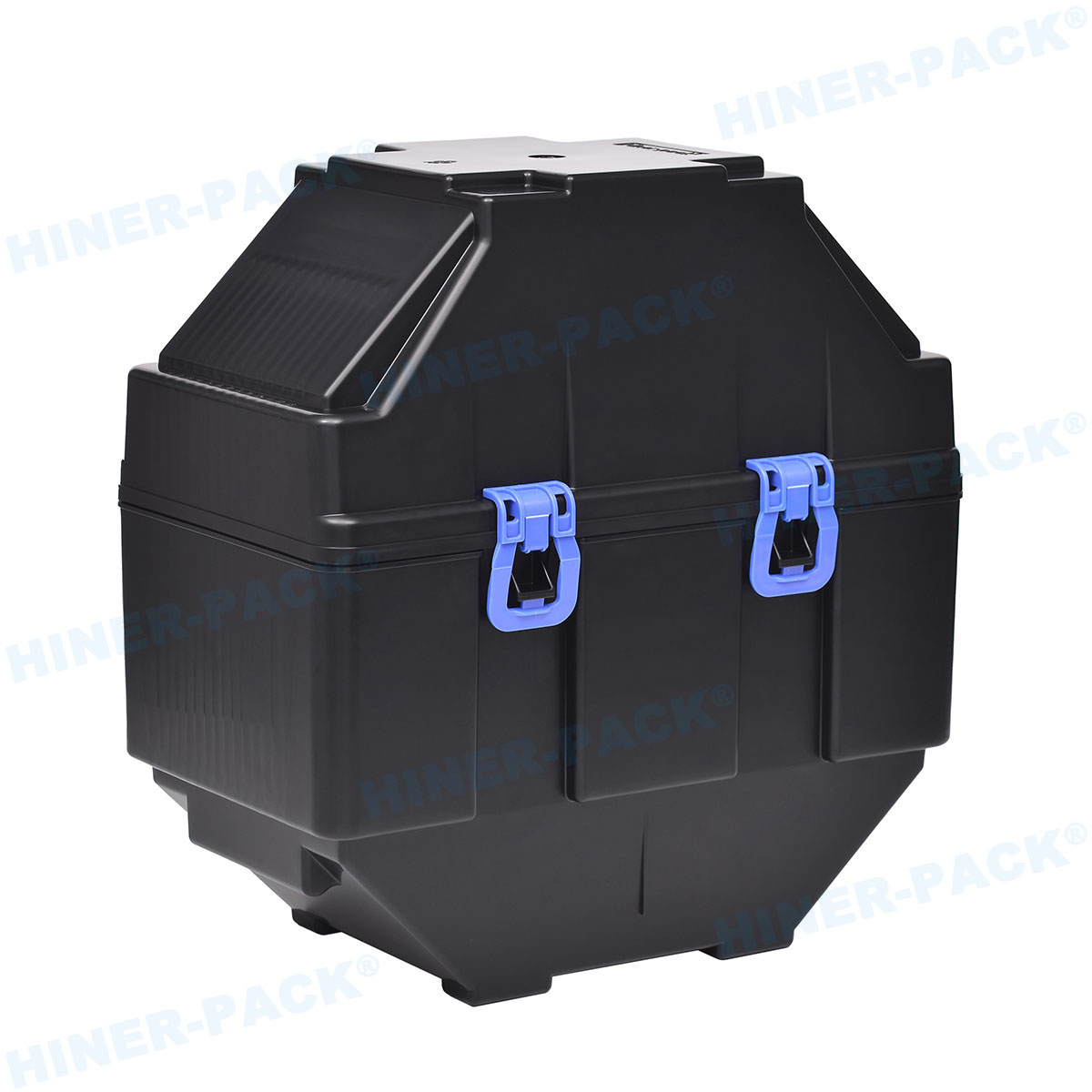
Frequently Asked Questions (FAQ)
Q1: Why is there a significant price variance between different polymer options in a wafer carriers quotation?
A1: The price variance is driven by raw material costs and manufacturing complexity. High-performance polymers like PEEK offer superior thermal stability and chemical resistance compared to polycarbonate, but require higher processing temperatures and specialized molding tools, which increases the overall cost.
Q2: How does ESD protection affect the long-term cost of wafer carriers?
A2: Carbon-powder-filled carriers can degrade over time, leading to sloughing and particulate contamination. Investing in carbon-fiber-reinforced or inherently dissipative polymers may increase the initial price on your wafer carriers quotation, but it helps prevent particulate contamination and early carrier replacement.
Q3: What are the risks of purchasing non-SEMI compliant wafer carriers?
A3: Automated equipment relies on precise robotic interface points. Non-compliant carriers can cause wafer transfer errors, automated tool stoppages, or mechanical damage. Verifying SEMI compliance in your wafer carriers quotation is essential for automated fabs.
Q4: How should we manage shipping and packaging costs for international wafer shipments?
A4: Wafer carriers are bulky, and shipping costs can impact total sourcing expenses. Ensure your supplier optimizes the packaging density and offers stackable designs to reduce freight volumes and protect carriers from environmental exposure during transit.
Q5: Can customized wafer carriers be quoted, or are standard designs required?
A5: Most manufacturers, including Hiner-pack, can customize features like slot spacing, back-rail designs, and external handling grips. When requesting a customized wafer carriers quotation, factor in potential tooling charges and extended lead times.
Securing Your Semiconductor Supply Chain
Evaluating a wafer carriers quotation involves more than comparing unit costs. Sourcing high-quality wafer carriers requires a thorough understanding of material properties, mechanical tolerances, and cleanroom standards to protect high-value silicon wafers throughout the supply chain.
Using structural frameworks like the Wafer Shield Triad (WST) helps procurement and engineering teams align on critical requirements, avoiding costly yield losses caused by inadequate packaging solutions.
If you are planning your next procurement cycle, the team at Hiner-pack can assist you. Contact us today to request a detailed wafer carriers quotation tailored to your specific processing and logistics requirements.